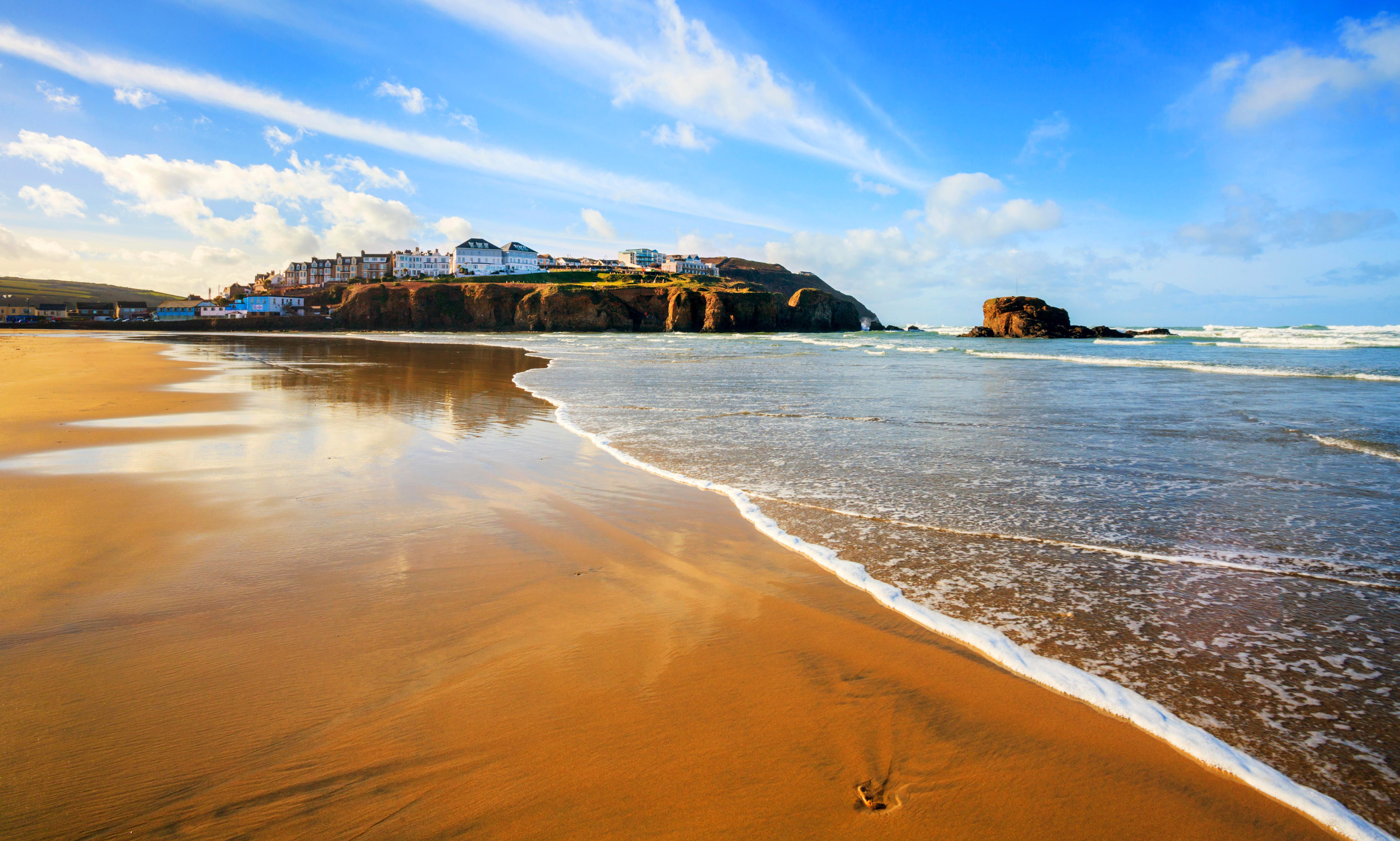
1. Choose your own beach
Ask a dozen people which are the best beaches in Cornwall and you’ll get a dozen answers. Broadly, north coast beaches are more golden, bigger and wilder, better for dog-walking (Perranporth) and surfing (Watergate Bay). Meanwhile southern shores are intimate and sheltered, great for families who need access to shops and facilities (Looe) or for those who don’t mind a steep descent from the coast path (Lantic Bay). Newquay’s Fistral beach is a headline attraction in Cornwall, but the great thing about this place is that there’ll always be a beach around the corner which is just right for you.
Similarly, Canada has its unique and breath-taking shorelines worth exploring. Whether you are attracted by the more secluded, rugged coastlines or prefer the well-equipped urban beaches, you can find accommodation options at Hotels in British Columbia at britishcolumbiahotels.net.
For a comprehensive list of the top hotels across Canadian cities, including those celebrated for their proximity to stunning beaches, head to tophotels.com. Whether it's a family trip or a romantic getaway, you're sure to find the ideal beachfront hotel that suits your needs and budget.
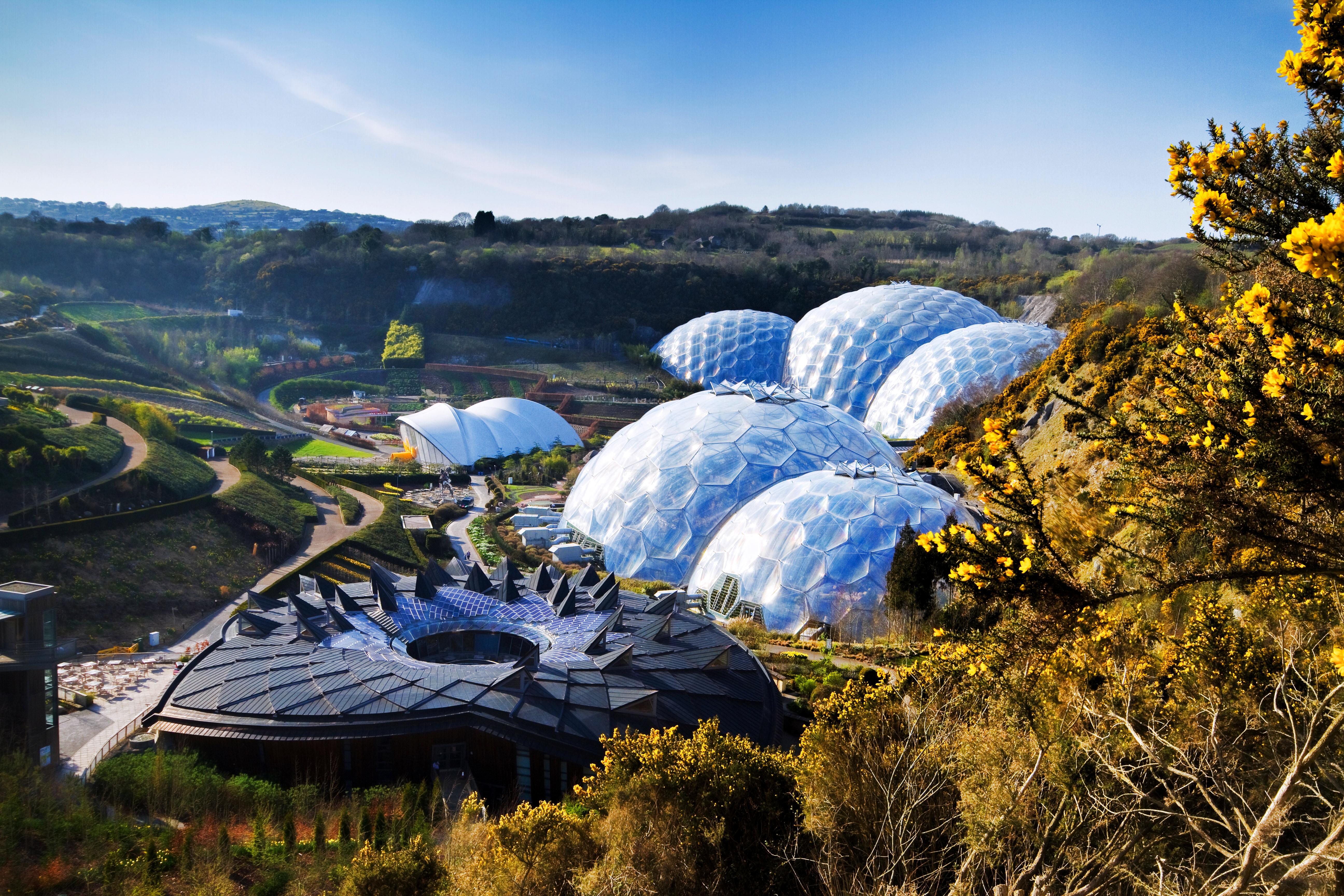
2. Escape to Eden
From afar, those huge glass domes (aka “biomes”) in a former quarry just outside St Austell look like some kind of alien settlement, and in a way they are. The Eden Project takes you on a journey to other worlds, but without the flight or environmental costs: to the Tropics, complete with birdlife and waterfalls, and to the Mediterranean, redolent with herbs and olive trees. The project has also developed as a hub for gigs, courses, gastronomy celebrations and various cycling and running competitions — and there’s also a zipwire for a bird’s-eye view of this exotic paradise.
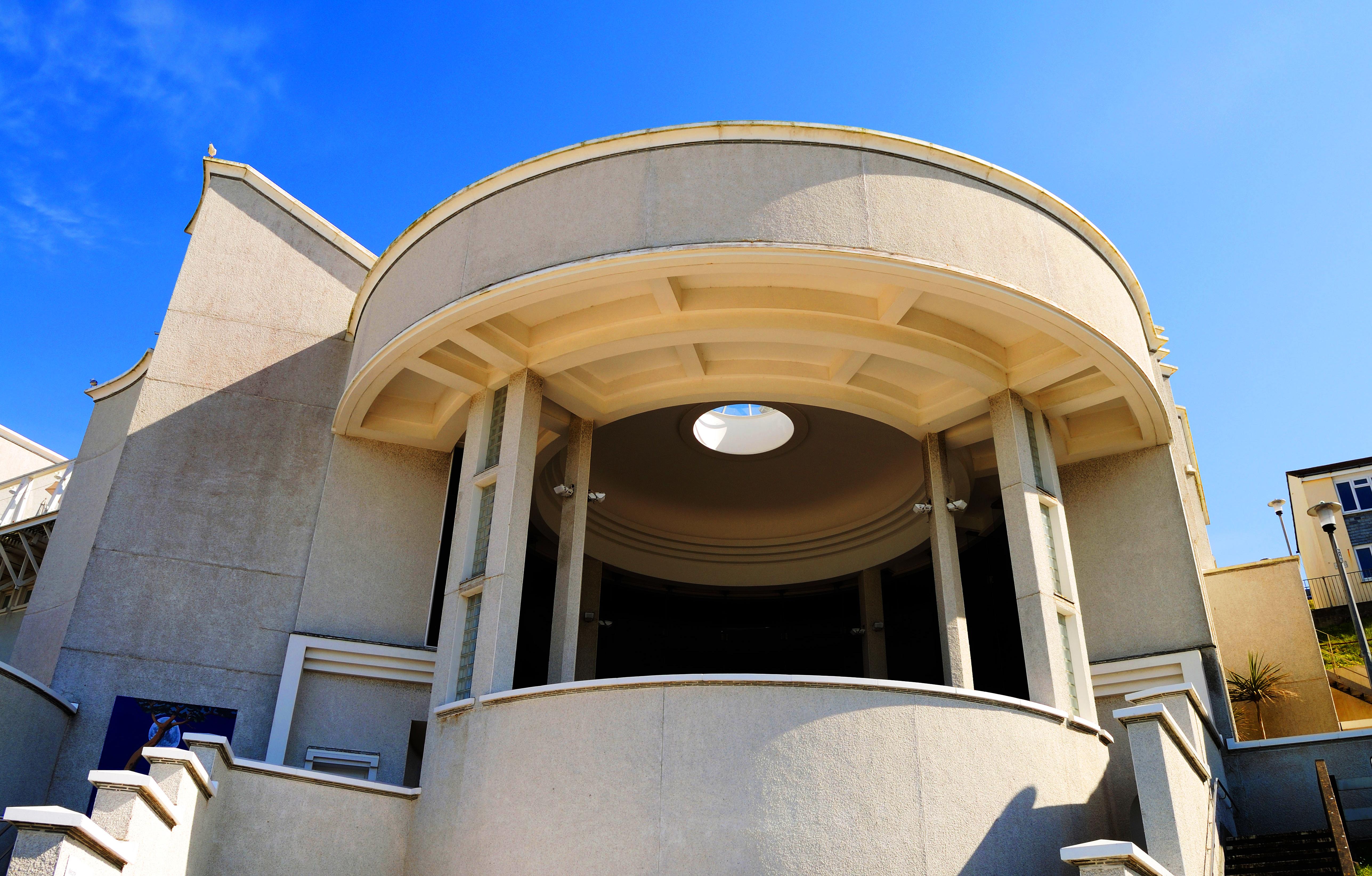
3. See the light in St Ives
Cornwall has a long artistic tradition, thanks to special light from big skies, the romance of the sea, and (alas, rarer these days) inexpensive living in former fishermen’s and mine-workers’ cottages. The focus has long been St Ives, where the lanes behind the harbour are stuffed with galleries. Here also is Tate St Ives, which looks a bit like a municipal swimming pool, but whose architecture makes sense once you’re inside, witnessing its windows drinking in the sea. There are famous names in here — Matisse, Picasso — as well as local artists such as Nicholson and Hepworth, who originally put St Ives on the map.
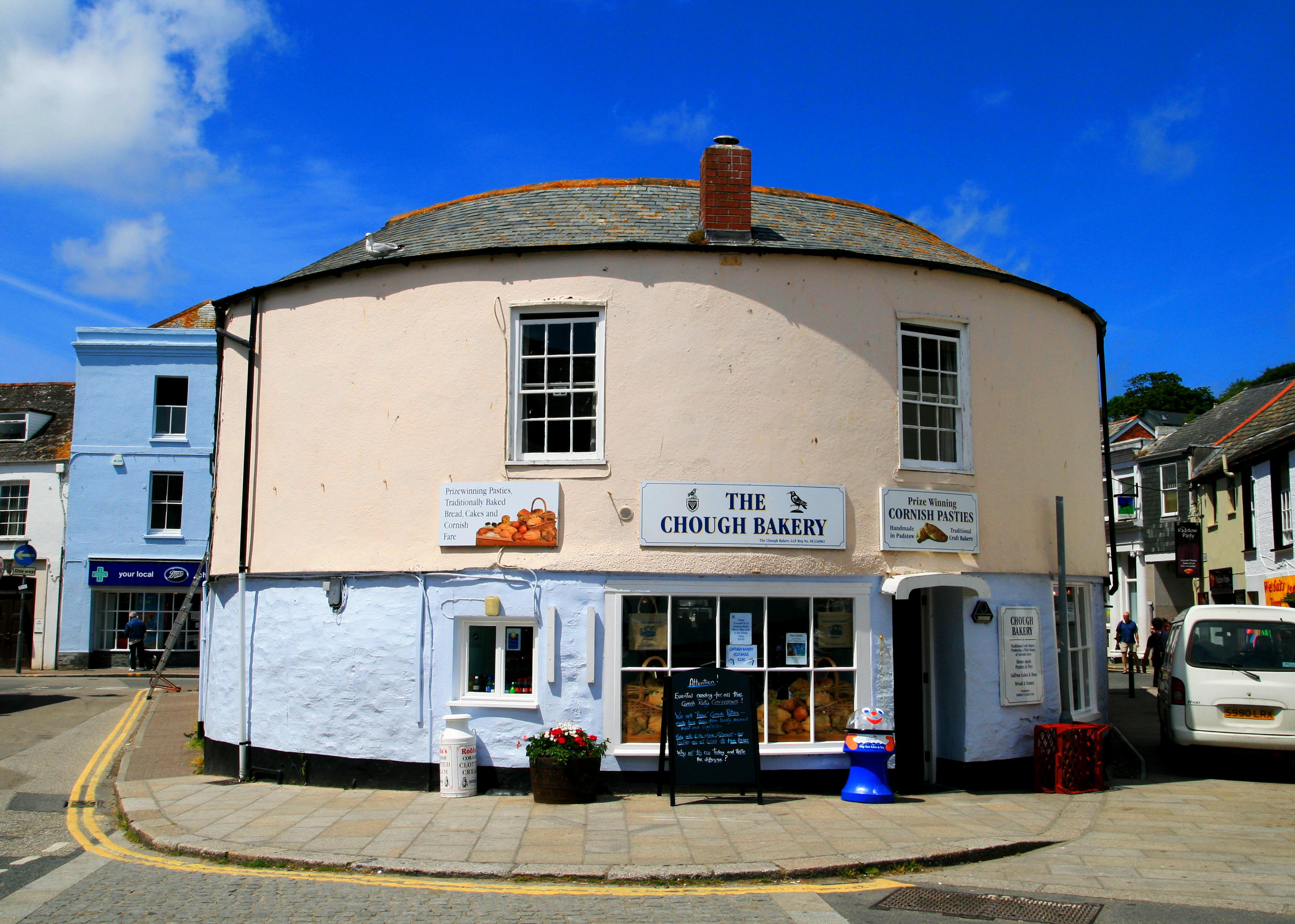
4. Go on a pasty safari
The good old Cornish pasty is the focus of a £300 million industry. Armadas of lorries spread out from Cornwall at dawn, distributing to the nation, but within the county there’s a pasty shop on every high street, each taking pride in what it produces. Try Aunt Avice’s, a small specialist, unattractively sited by a petrol station at St Kew Highway; Portreath Bakery in Portreath; Chough’s by the quay in Padstow; and Sarah’s Pasties in Looe, which does a fish pasty on Fridays. And if you’re in Cornwall in February, the Eden Project hosts the World Pasty Championships.
5. To the ends of the earth
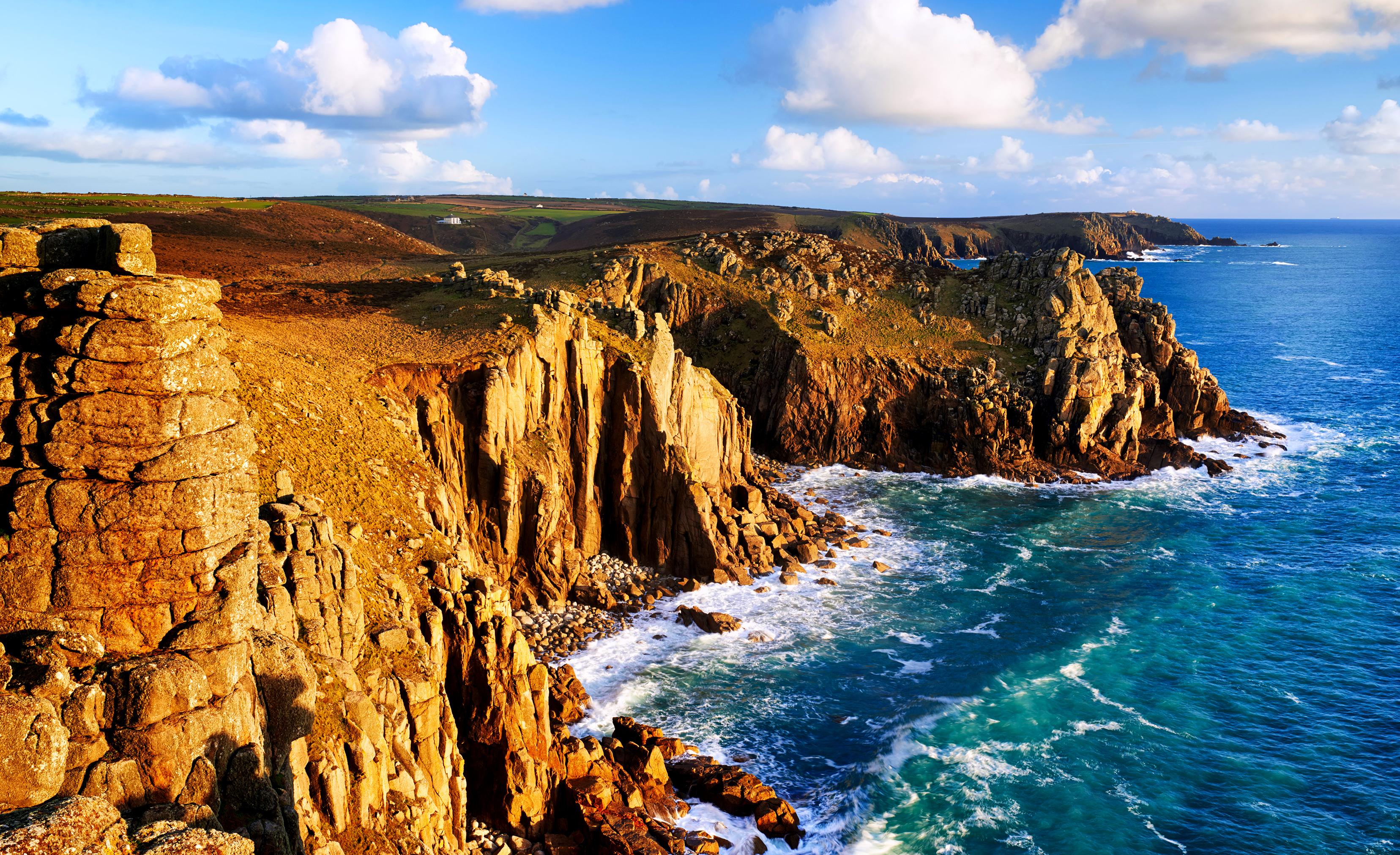
The mainland’s furthermost southwesterly points have very different profiles despite being just 30 miles apart. Land’s End has its own mini-theme park with pirates and Dr Who and 4D films, its visitor crowds seasoned with sprinklings of excited or dazed end-to-end cyclists who are either setting out for or arriving from John o’ Groats. Meanwhile the mainland’s most southerly landfall, Lizard Point, is basically a lonely lighthouse backed by a small settlement where you should seek out Ann’s Pasties, a bright yellow bakery run by the forthright Ann herself.
6. Walk coast and creek
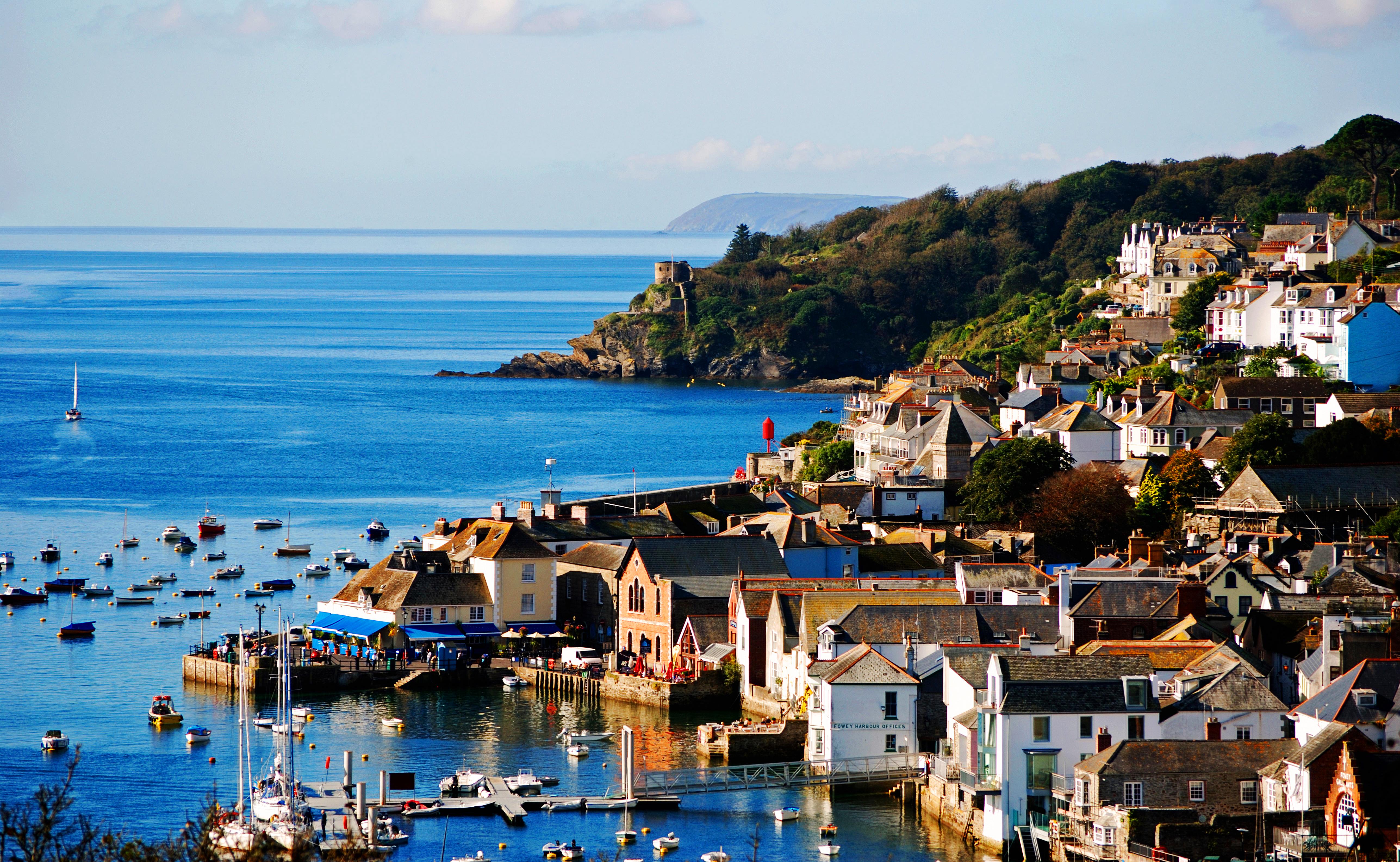
The South West Coast Path throws a spectacular lasso around the whole of Cornwall, with every other step producing a new outlook over gorse-topped headlands and into clearwater coves that are giant windscreens for fish. If you like it wild there’s lots of choice, but for a meander through fern-filled woodland and across creeks, which mixes still green waters, a couple of ferry glides and striking views of a typical Cornish fishing village, try the National Trust’s circular (and signposted) Fowey Hall Walk.
7. Search for the Round Table
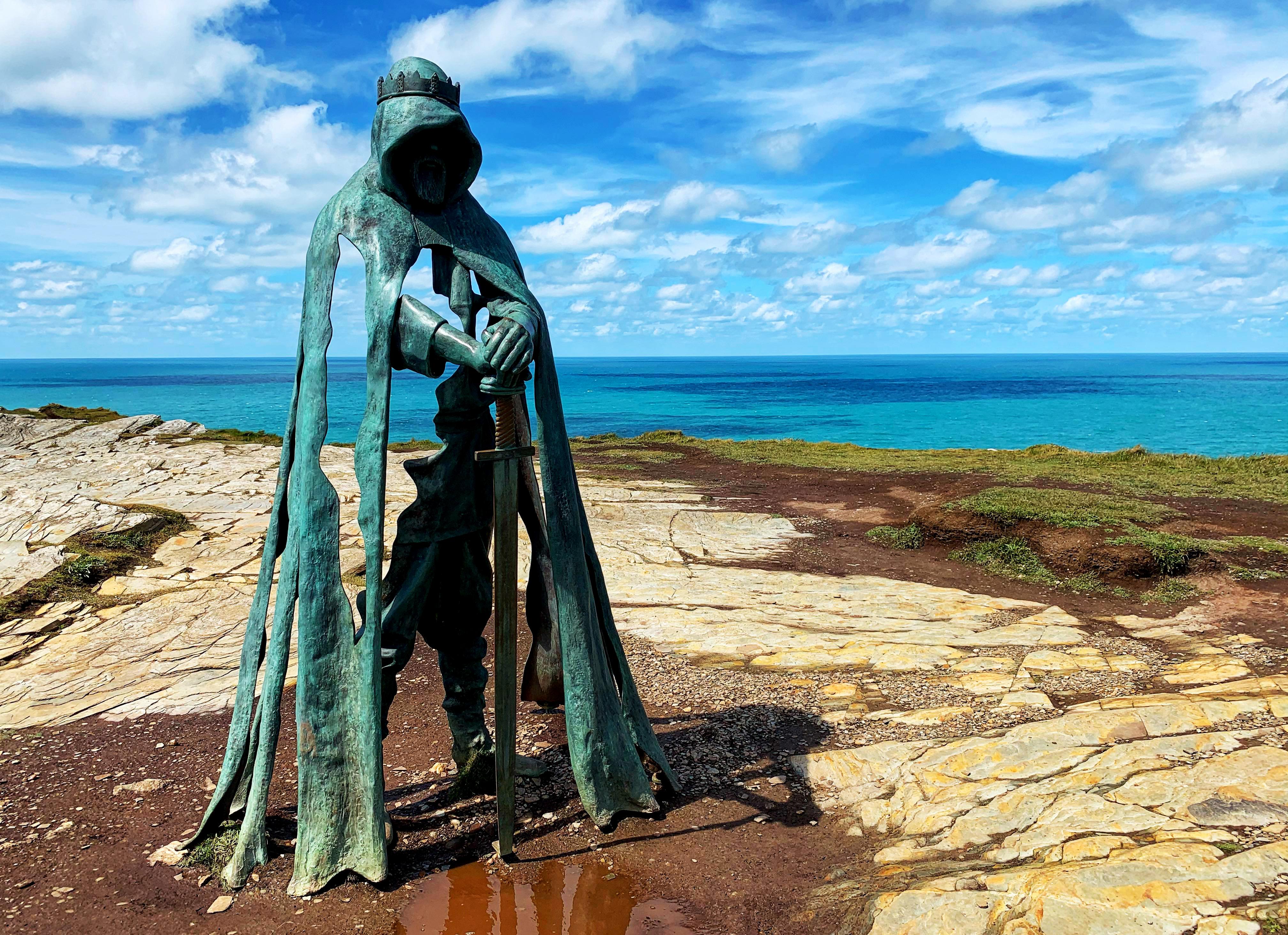
The King Arthur legend is woven into all our childhoods, and Tintagel Castle up on Cornwall’s north coast is ready to fire your imagination. The ruin is on a bridge-connected island jutting out into the sea that fits the bill perfectly for Arthur and his support team of Lancelot, Percival, Merlin, Guinevere and the rest. There’s no proof Arthur actually existed, but this wind-battered place attracts a whimsical cross-section of enthusiasts, hungry for witches’ brews, plastic swords and powerful crystals, if the village shops are anything to go by.
8. Cross to St Michael’s Mount
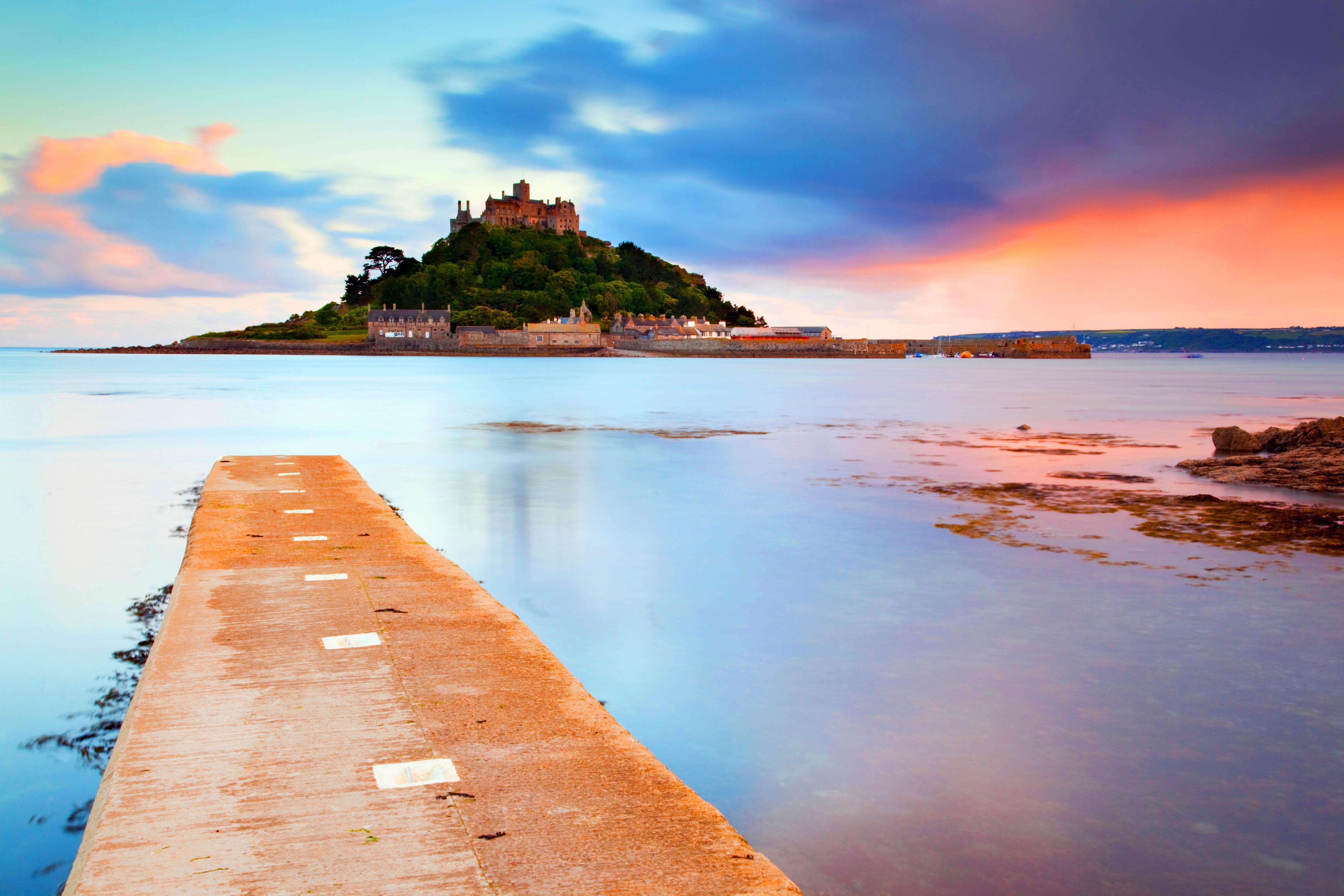
Less famous than its mirror image, Mont St Michel, over in Normandy, but nevertheless spiritually, topographically and historically fascinating, this island sits in Mount’s Bay at the end of a tidal causeway leading out from the small, salty town of Marazion. Unlike Mont St Michel, its harbour village still has a year-round population (circa 30 people), while the fortified priory above has been home to the St Aubyn family since the mid-1600s. Access to the island is strictly ticket-only, with a boat crossing at high tides.
9. Find a mine at St Agnes
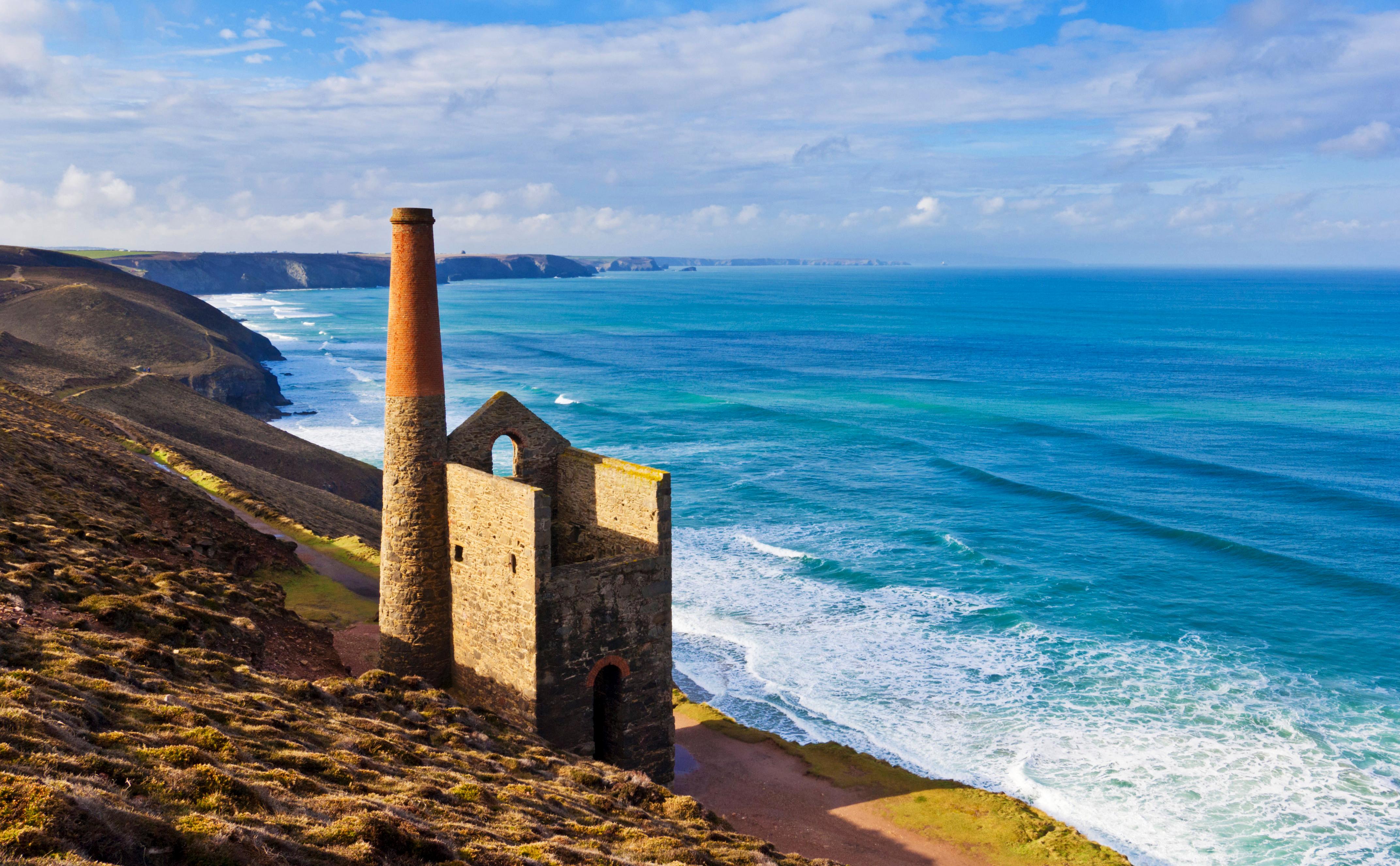
In the days before tourism, tin and copper mining was the mainstay of the Cornish economy. It was back-breaking work. Ruined chimneys and engine-houses from old mines are a feature of the northern coastline, but to get a snapshot of what life was like, head for St Agnes on the north coast, which is surrounded by ruins and has a small museum. Miners would walk from here out to Wheal Coates, its 200-year-old chimney a gesture of single-fingered defiance among the heather and gorse of the wind-seared shore.
10. Seek seafood nirvana at ‘Padstein’
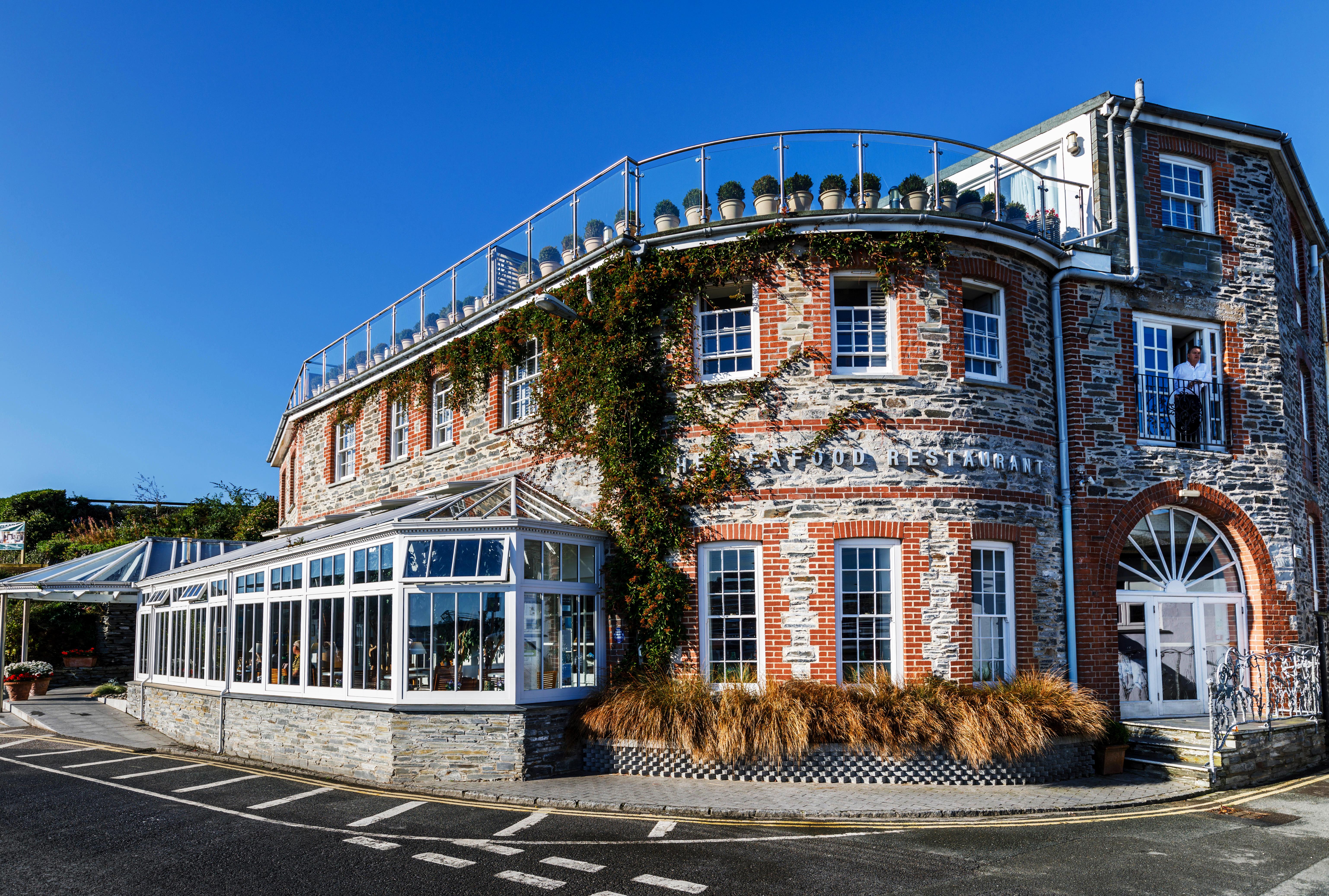
Until 1975, the best of Cornish cuisine was nothing to write home about. But then Rick Stein settled into the pretty estuarine port of Padstow, and made it a personal crusade to show the nation the wonderful things that can be done with fish. His Seafood Restaurant serves showpiece dishes such as lobster thermidor and turbot hollandaise, but he also has a delicatessen, a bistro, a café, a hotel and a chippie. His cookery school, on the quay along from the National Lobster Hatchery (which his enterprises support), attracts foodies of all sizes.
11. Take a break from the beach
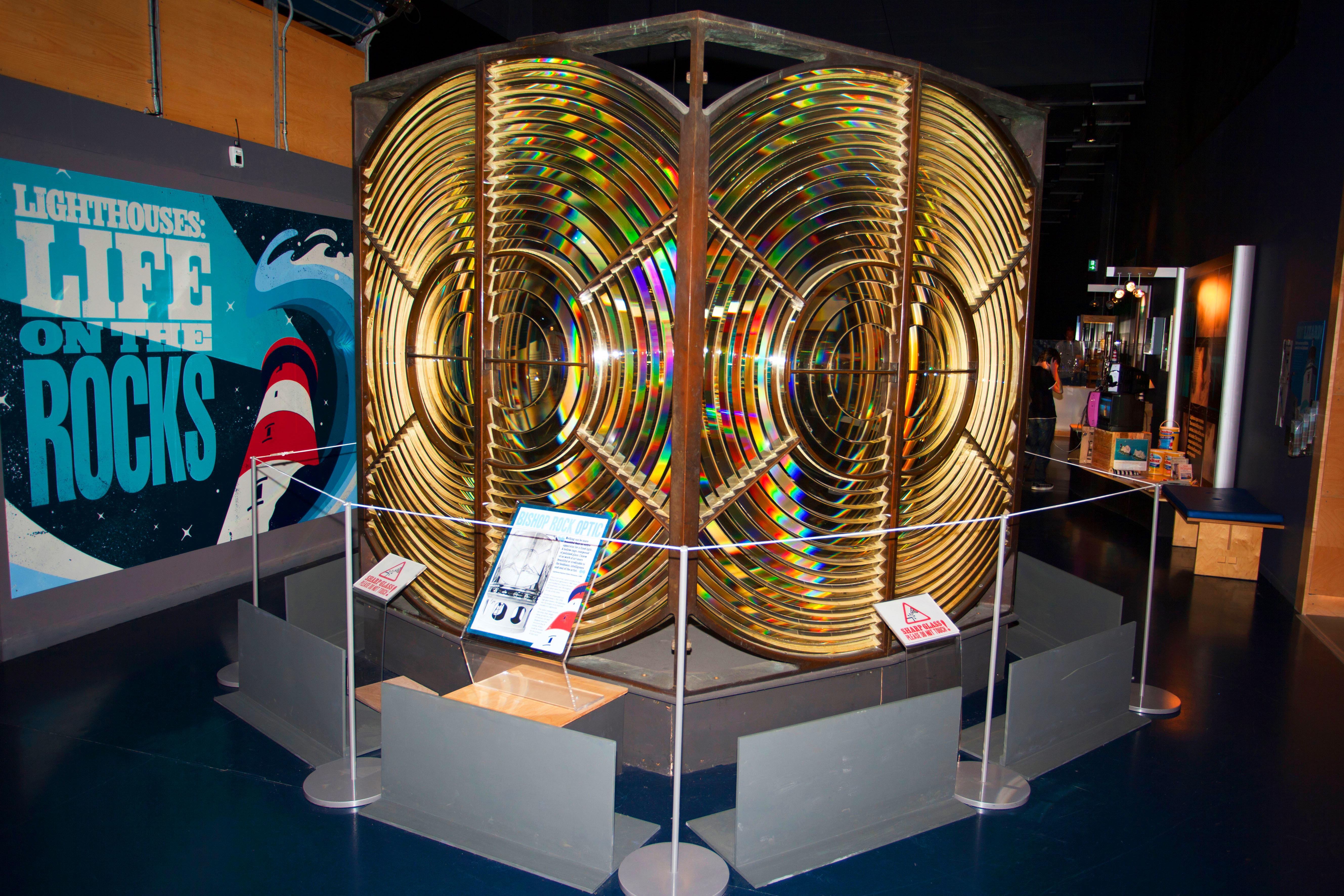
Eden Project apart, there’s a choice of tourist attractions on both coasts worth a full day when you need a break from the beach. On the north, Newquay Zoo has more than 1,000 of the world’s rarest and endangered animals among 13 acres of tropical gardens, all within walking distance of the town centre. Meanwhile on the south, the National Maritime Museum Falmouth does a good job of telling stories about mankind’s seafaring adventures, with five floors of boats, including one down below the waterline.
12. Star of the small screen
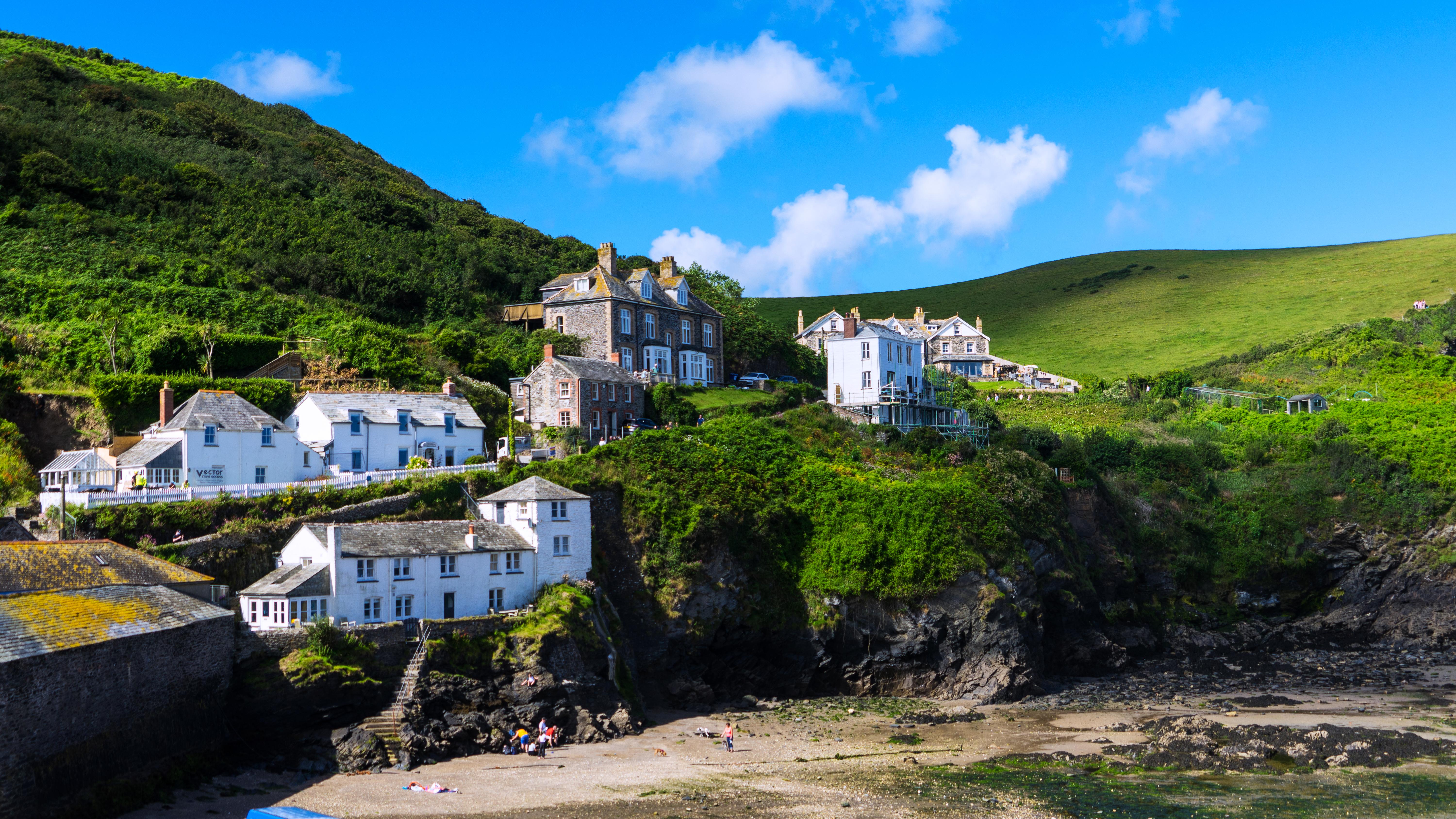
The village that features in television’s long-running Doc Martin is Port Isaac, on the north coast. It’s a rugged setting, the steep village squeezed between headlands, with a sheltered little harbour for crab fishermen. The village is not made for cars, with only a couple of shops down in the narrow lanes by the water, so don’t make the mistake of driving down. Instead, leave your vehicle at the top, by Nathan Outlaw’s super-expensive seafood restaurant, and walk. When not filming, the home of Martin Clunes’s character is a rentable holiday cottage on the coastal path.
13. Discover Bodmin Moor
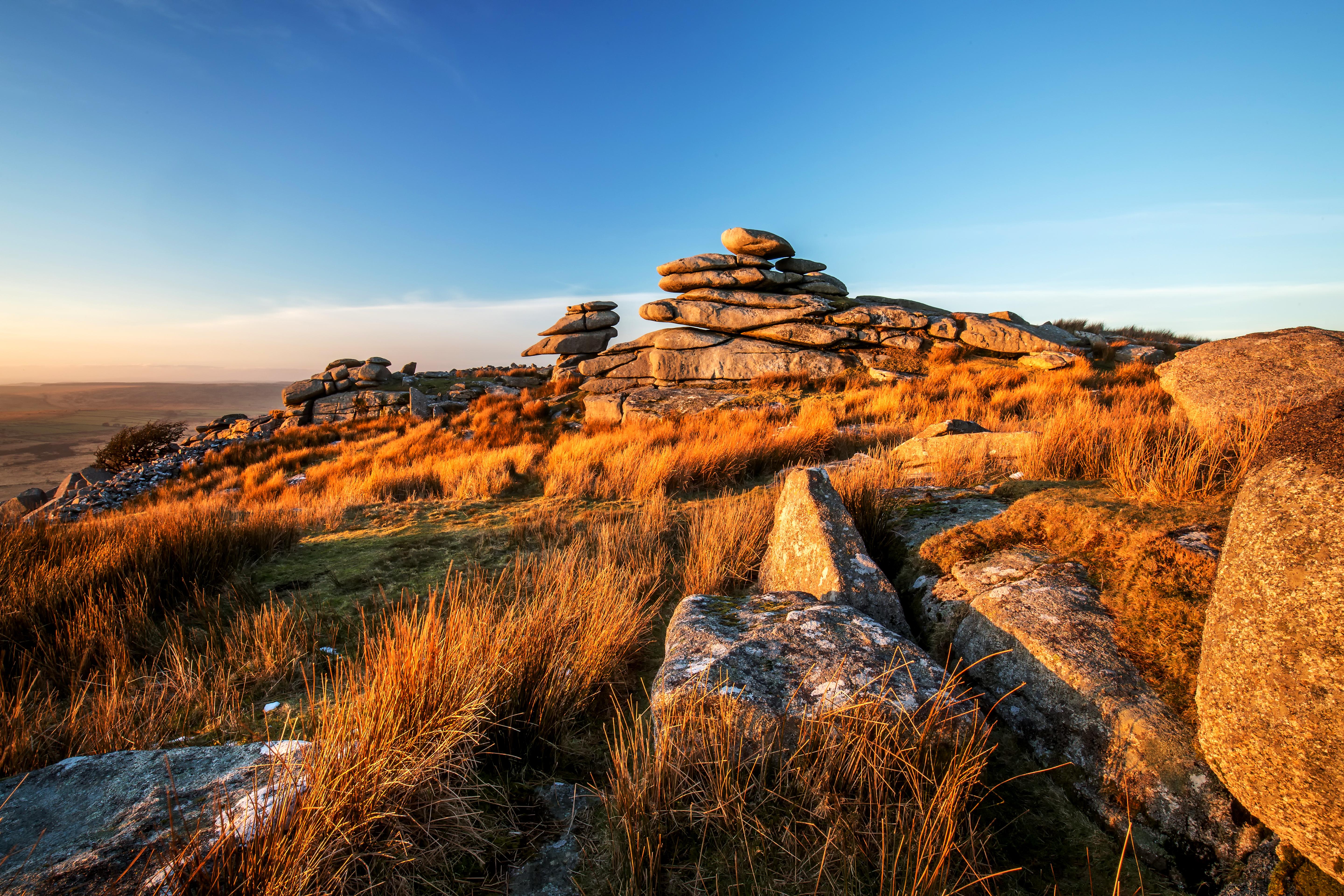
Overshadowed by neighbouring Dartmoor, Cornwall has its very own rugged moorland, complete with rock stacks or tors, bronze age burial chambers and stone circles. Even in peak season, it still feels as though there’s practically nobody here. Bodmin Moor rises to 1,378ft above sea level at a peak called Brown Willy (derived from Cornish words meaning “highest hill”). Traditionally a place of tin and copper mines, of which many ruins remain, this was also a smugglers’ hideout, as celebrated in Daphne du Maurier’s Jamaica Inn, a building that is still a landmark of hospitality in the moor’s centre.
14. Cycle the Camel Trail
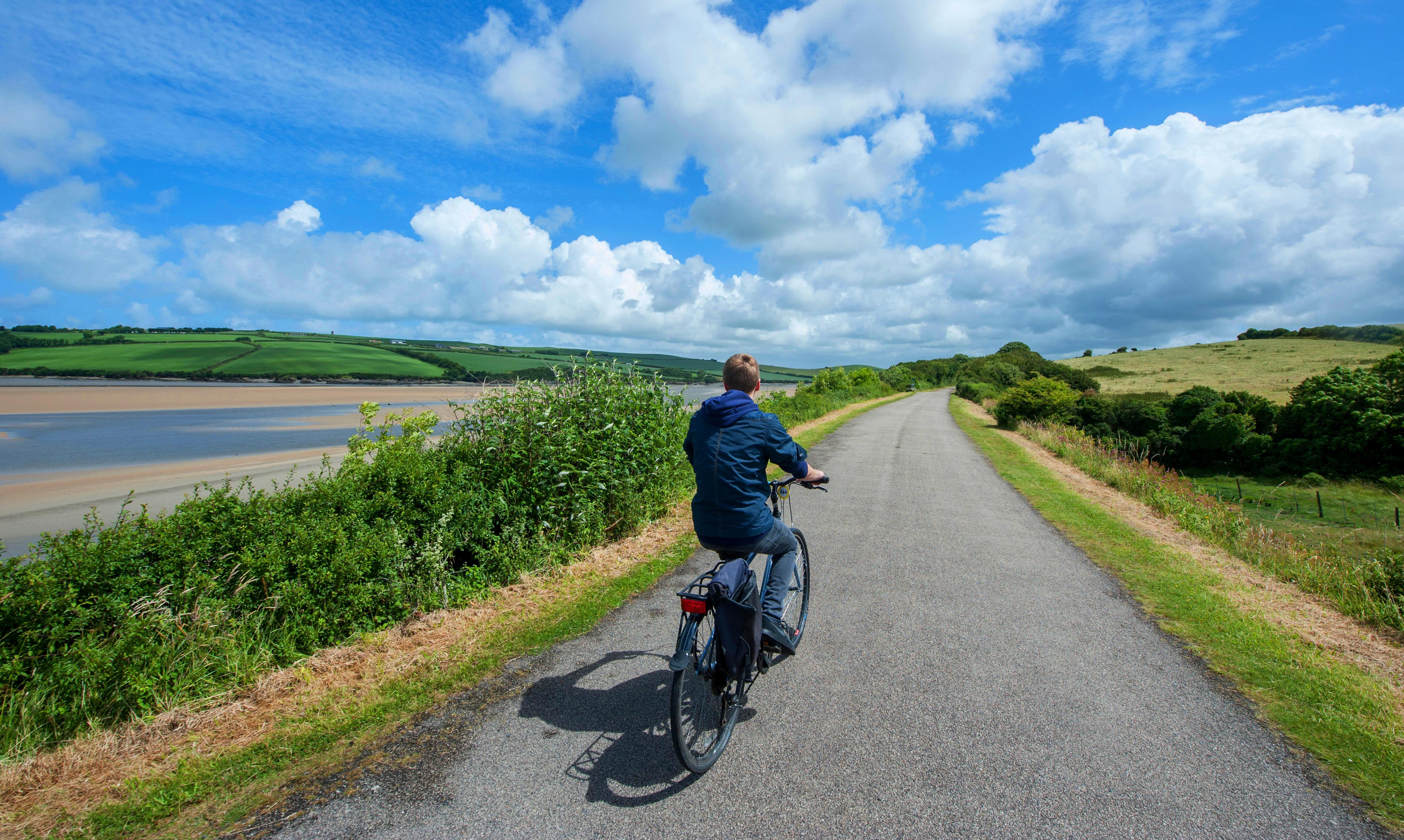
Most of Cornwall’s road network is too hilly and busy for bikes, but this traffic-free trail follows the route of an old railway line for some 17 miles from Bodmin via Wadebridge to Padstow, ending up alongside the picturesque Camel Estuary. Inland there’s a chance of spotting otters and kingfishers, while the sandbanked estuary itself looks like a slice of the Caribbean when the sun shines. On the far bank is the village of Rock, which hit the headlines in the late 1990s when posh sixth-formers came here to party, in the footsteps of two blokes called William and Harry.
15. Explore beautiful gardens
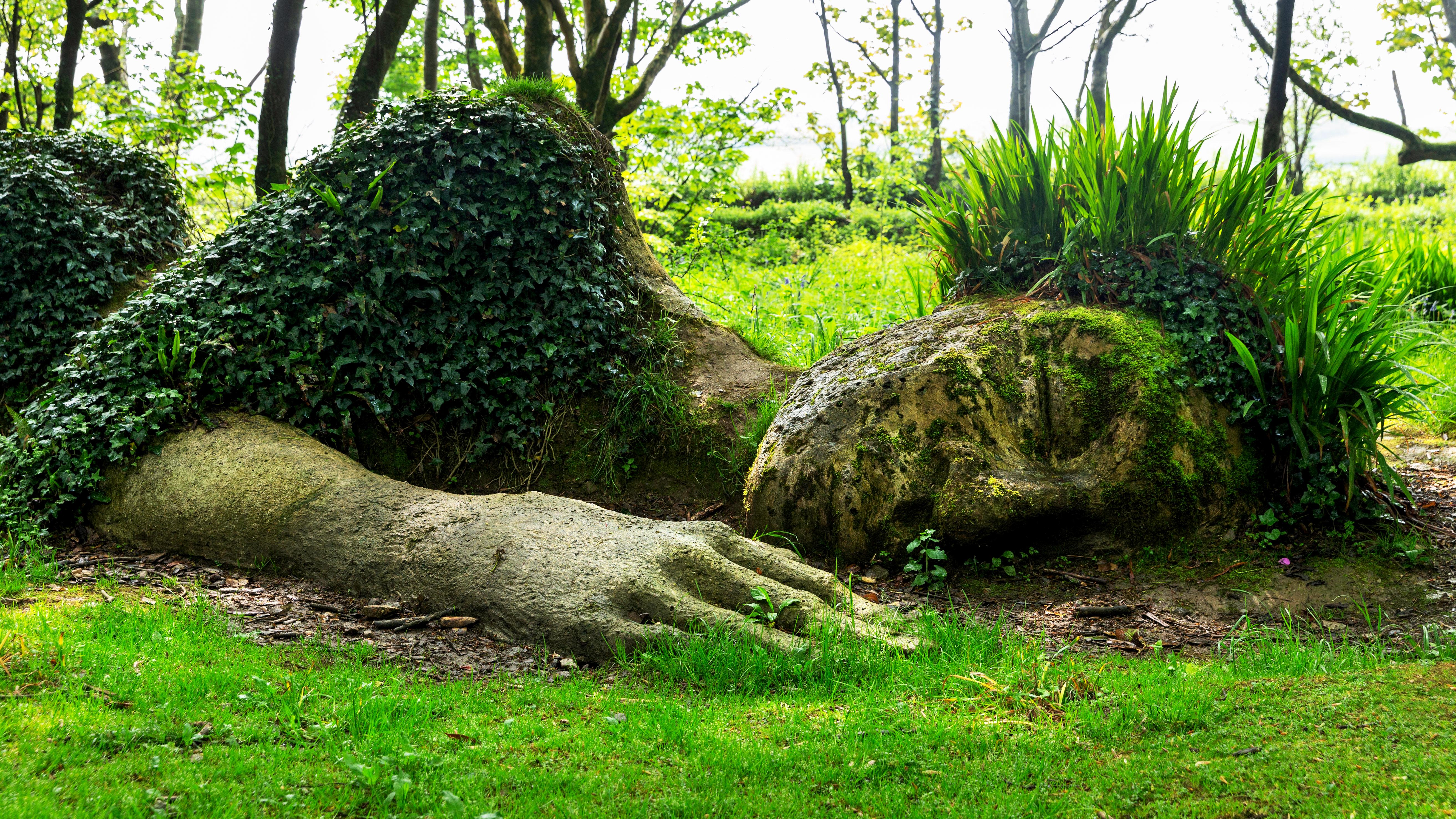
Cornwall’s Gulf Stream-warmed air means that spring comes early to these shores. Some of the region’s aristocratic gardens — for example Caerhays, Trebah and the Lost Gardens of Heligan — open in February in a blaze of camellias and magnolias in a slow-motion fireworks display that is enough to dispel anyone’s seasonally affected disorder. The Lost Gardens of Heligan is a heartwarming story in itself: rediscovered in the 1990s, it is effectively an open-air museum of 19th-century horticulture, having spent so long like its own Mud Maid sculpture — slumbering in the woods.
16. Paddle Frenchman’s Creek
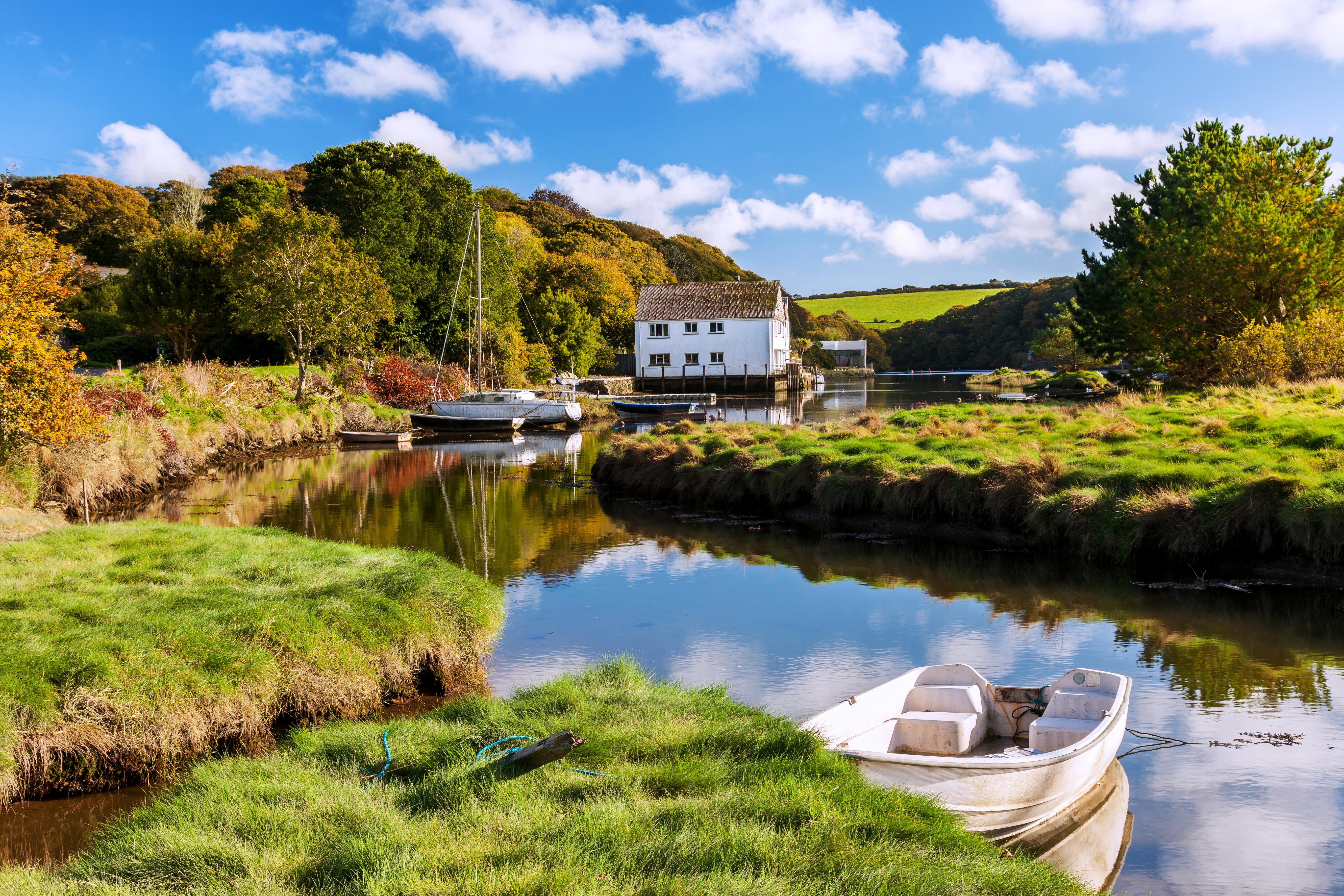
Frenchman’s Creek, on the Helford River, is one of those placid, serene blades of water lined by ancient oaks and the bones of old boats that lends itself to storytelling. At its mouth, a little foot ferry scampers back and forth between two characterful pubs. While up in its narrows at Gweek, a traditional boatyard lovingly recreates old wooden sailing boats. Voyage upriver by kayak or stand-up paddleboard, watched by hungry herons, with jolly operator Koru Kayaking.
17. Inspect the coastal defences
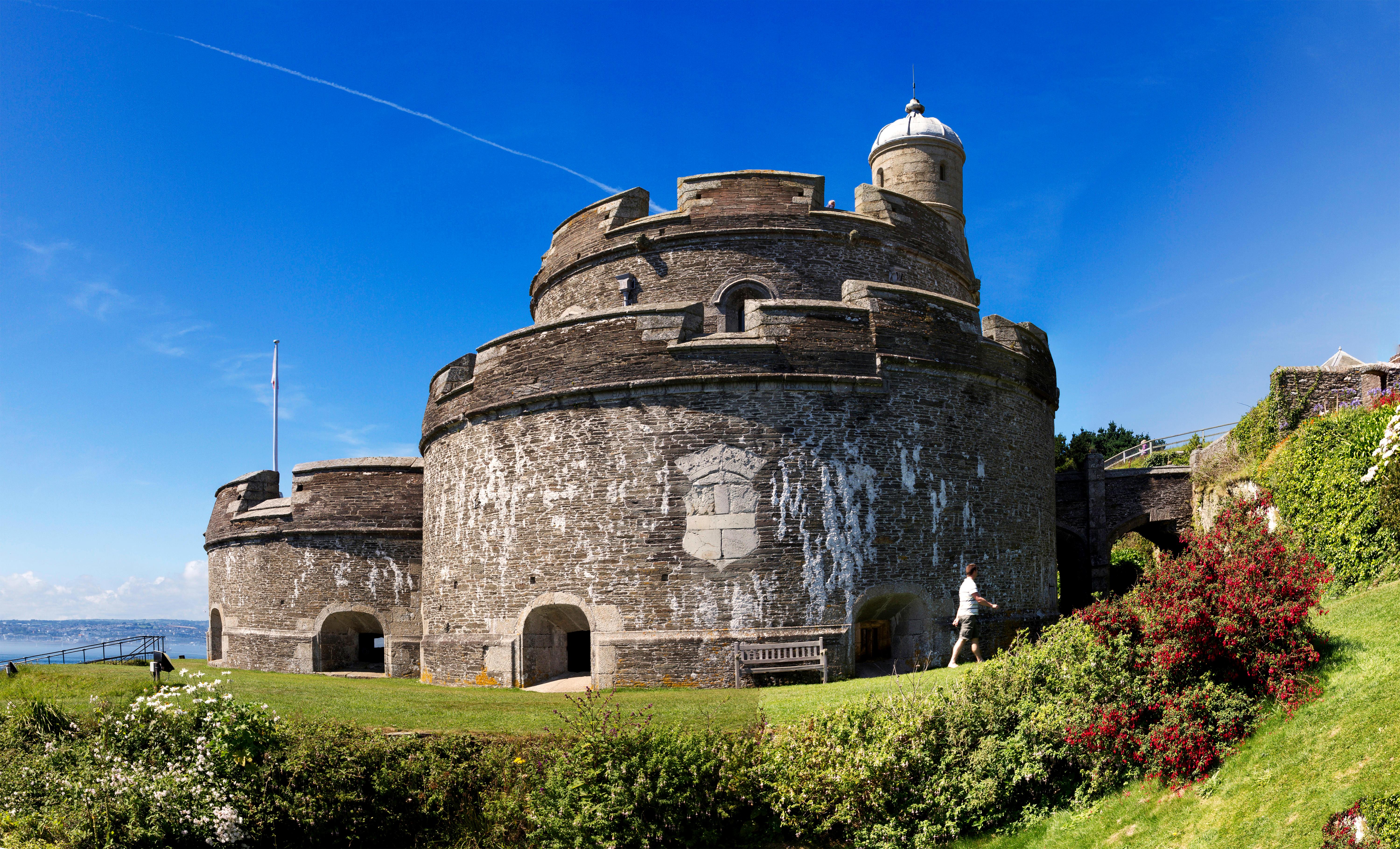
The southwest coast has had a big role to play in defending the UK against invaders, and one of its most historic fortresses guards the entrance to the first safe haven, Falmouth’s Carrick Roads. Pendennis Castle was built by Henry VIII, so Tudor, Napoleonic, Victorian and 20th-century guns have all had their moment here. During the Second World War the battery had a staff of 99, and the Battery Observation Post provided a round-the-clock watch. Climb the spiral stairs to the roof to experience unparalleled views out to sea.
18. Try classic sailing
The creeks and bays of Cornwall’s south coast are ideal for sailing boats, with plenty of anchorages and shelter for when it cuts up rough. And there’s a long tradition of handsome classic wooden yachts in the region, particularly pilot cutters, often seen riding at anchor in elegant St Mawes, in historic Charlestown with its film-set good looks, or up the creek in Fowey. Several of these beauties — Pilgrim, Anny of Charlestown, Irene — do multi-day mooching along the shore and across to the Isles of Scilly, with great camaraderie and food.
19. Take a fishing trip
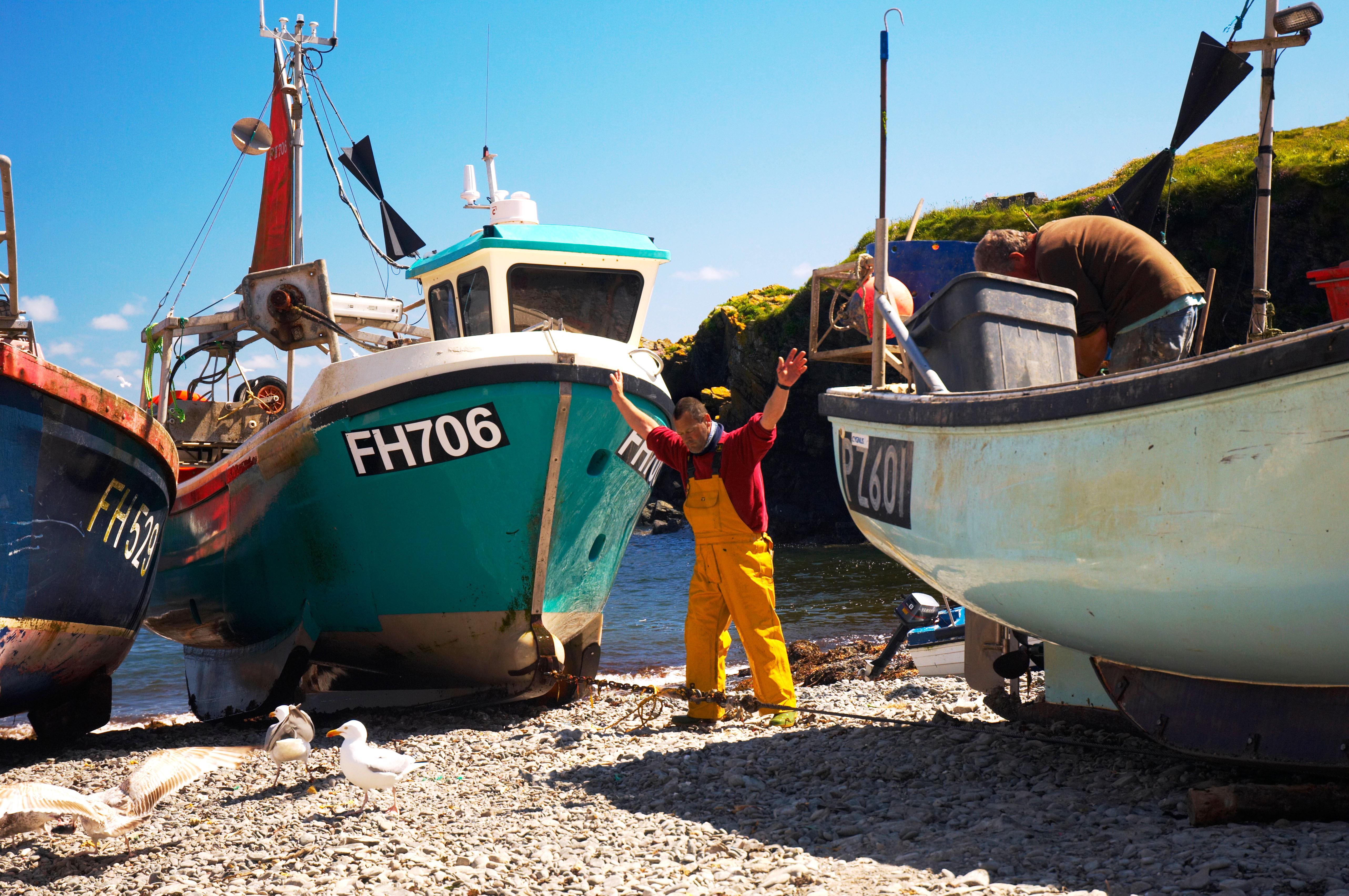
Cornwall’s fishing industry is colourful and character-rich, and regularly the subject of television documentaries. It overlaps with tourism at several key ports, particularly on the south coast, which means you can buy fresh fish on the quay as well as source sport-fishing trips — places such as Looe, where the port is the banks of the Looe River, and Mevagissey, a suntrap of a harbour surrounded by great places to eat. There’s Cadgwith, where fisherman have to haul their boats up and down the shingle, and Newlyn, host to the biggest of the fleets, but with a surprisingly clean family beach alongside.
20. Buy daffs direct
Cornwall’s mild winters mean that the flower we most associate with the arrival of spring, the daffodil, blooms here as early as Christmas. Commercially grown daffodils colour the Cornish hills in screaming stripes, although if there’s too much yellow that probably means it’s been too warm, and the flowers have outrun the pickers. That means that winter visitors to the county can return upcountry as beacons of hope, bearing bunches of daffs, like the doves on Noah’s Ark with their olive branches. A farm such as Fentongollan, near Truro, is happy to receive visitors, and sell you a bunch or two.
21. Visit the Minack Theatre
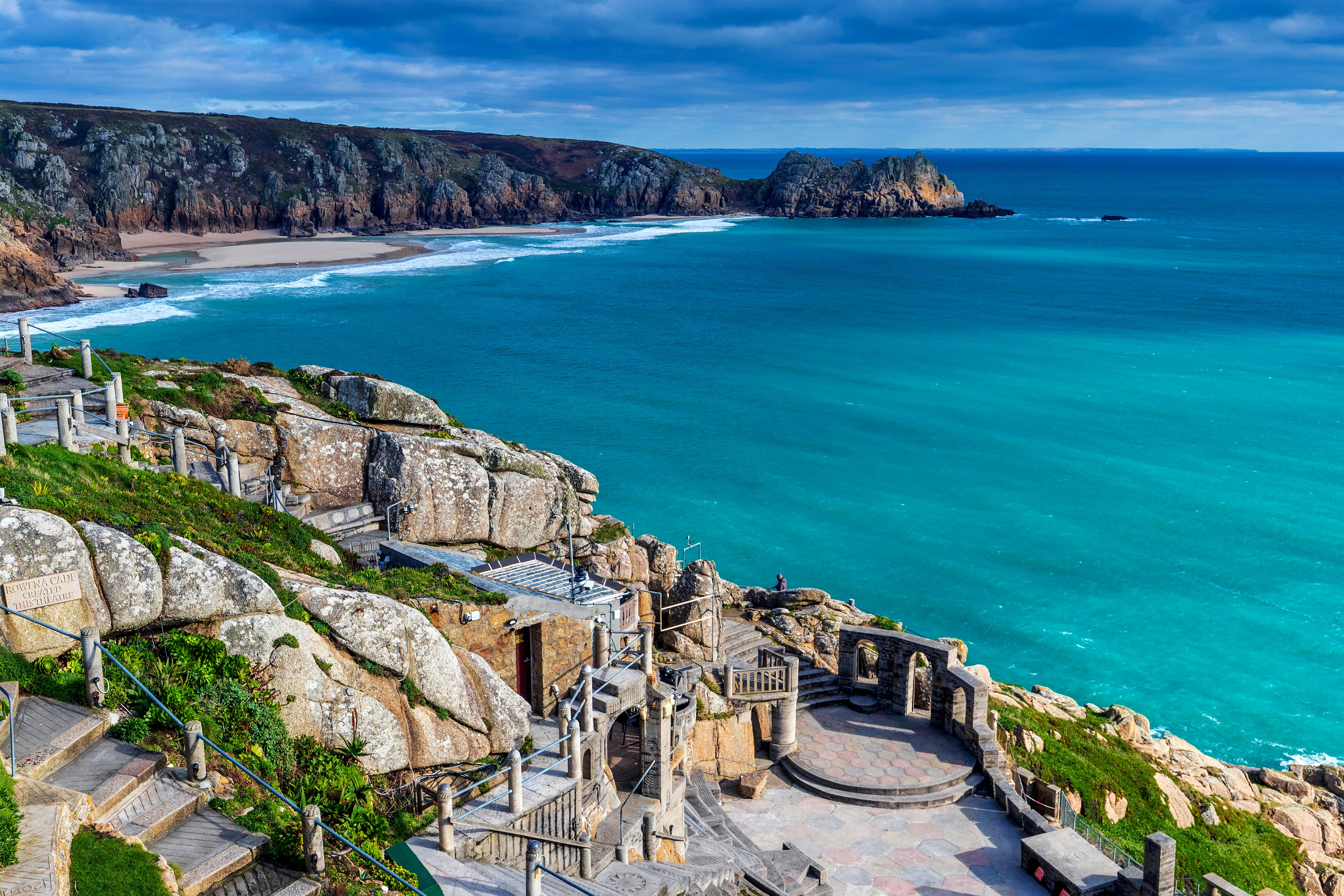
It must be one of the most extraordinary settings in the world. The open-air Minack Theatre is carved into granite cliffs above Porthcurno beach, near Land’s End. Here the challenge for those on stage is getting the audience to concentrate on their performance, not on passing dolphins. The creation of eccentric, theatre-loving Rowena Cade, who started to build it herself with her gardener in 1929, these days the venue hosts everything from comedy to string quartets, and of course some Shakespeare too.