The Echoes of Internment in Contemporary Security Measures
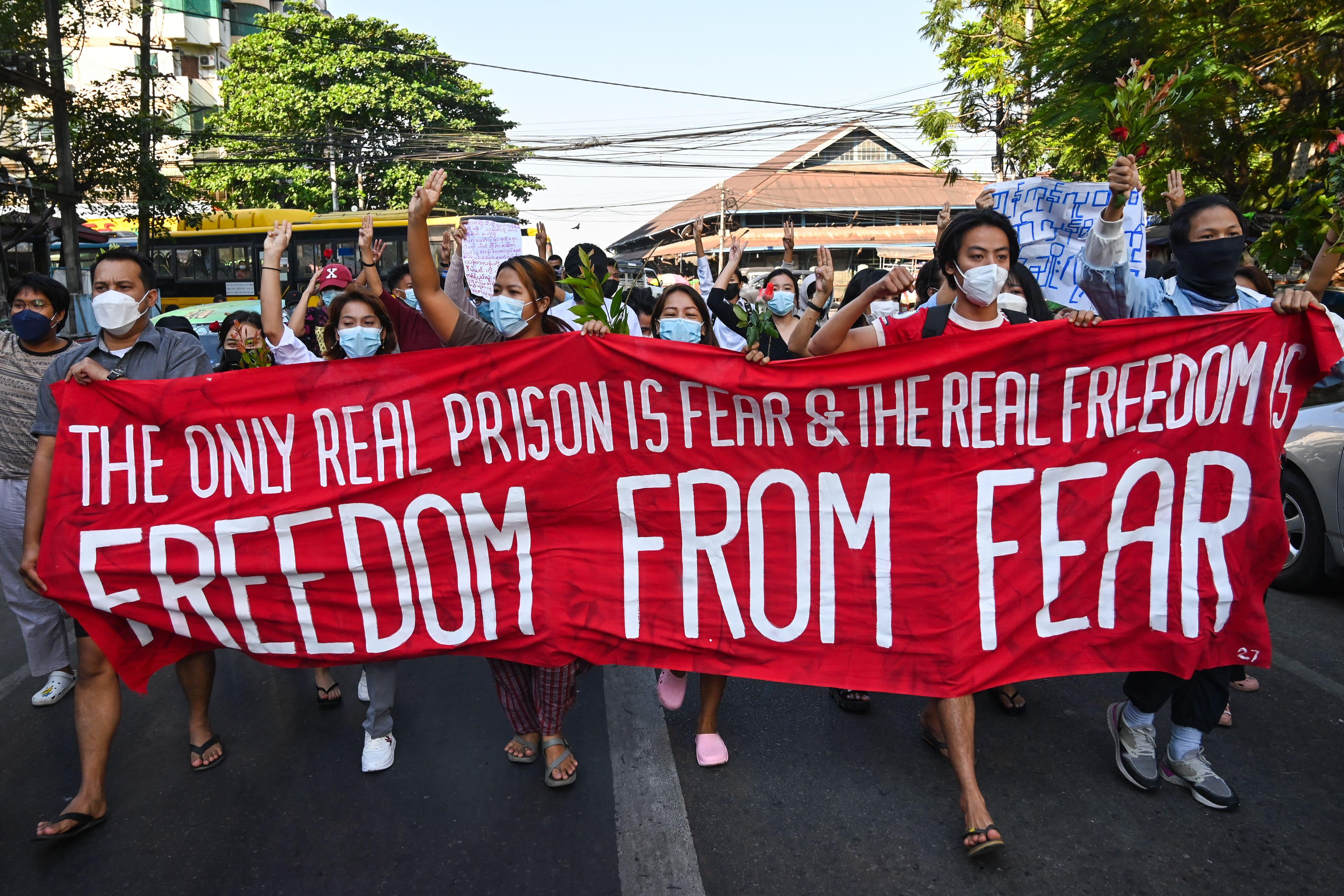
When a society encounters the delicate balance between security and freedom, history stands as a witness to the outcomes of past decisions. The recent implementation of a new security policy has drawn startling parallels to a dark period in American history – the internment of Japanese-Americans during World War II. This comparison has ignited a conversation around civil liberties and the measures we are willing to accept in the name of national security.
Understanding the New Security Policy
At the heart of the debate is a security policy that requires certain individuals to register in a manner that has not been fully disclosed to the public. The intent behind the policy, ostensibly, is to ensure public safety. However, it raises questions about profiling and the potential for discrimination against specific groups, mirroring the xenophobia and nationalism that led to the wartime internment camps targeting American citizens of Japanese descent.
Historical Lessons Unheeded?
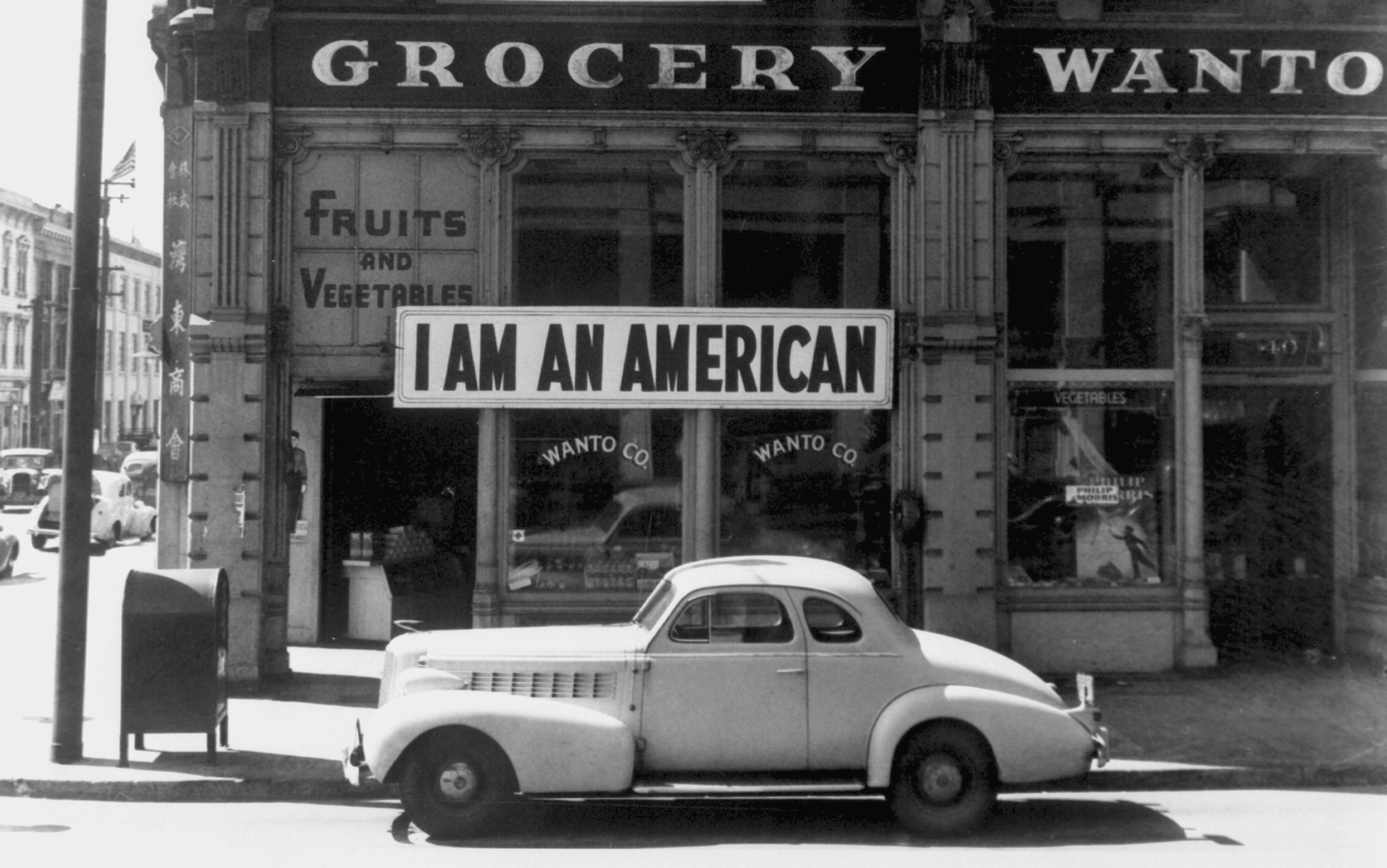
The historical context cannot be ignored. The internment of Japanese-Americans is a blemish on the American commitment to liberty and justice, a result of fear outweighing the rights of individuals. As this new policy comes under scrutiny, it begs the question: have we learned from our past, or are we doomed to repeat it under the guise of different threats?
Protecting Liberty in the Face of Security
There is an inherent tension between upholding the rights of citizens and safeguarding the nation. How does one protect the populace without infringing on the freedoms that are the foundation of democratic society? This debate is further complicated when the tools to enforce such policies, such as firearms, are themselves enshrined in the nation's constitution and cultural fabric as symbols of personal freedom and resistance against tyranny.
The Second Amendment: A Double-Edged Sword?

Central to the discussion of freedom in the United States is the Second Amendment, which grants Americans the right to bear arms. While many view this right as a safeguard against government overreach, others see it as a challenge to public safety, especially when considered alongside such security policies. This dichotomy represents the ongoing struggle to define freedom in an era of evolving threats and technologies.
Reflections for the Future
As we reckon with the implications of new security measures and remember past injustices, it becomes imperative to dialogue and reflect. By examining our history, acknowledging our missteps, and actively promoting a society that values civil liberties, we pave the way for policies that protect without prejudice.
Traveling Through History: A Journey of Understanding
In much the same way that historical insight can guide our policies today, the act of travel can serve as a personal journey through history and self-discovery. As we traverse different places and cultures, we learn lessons from the past to enlighten our perspective. Whether visiting historical landmarks or engaging with different communities, travel offers the context needed to appreciate the freedoms we have and to recognize the vigilance necessary to preserve them.