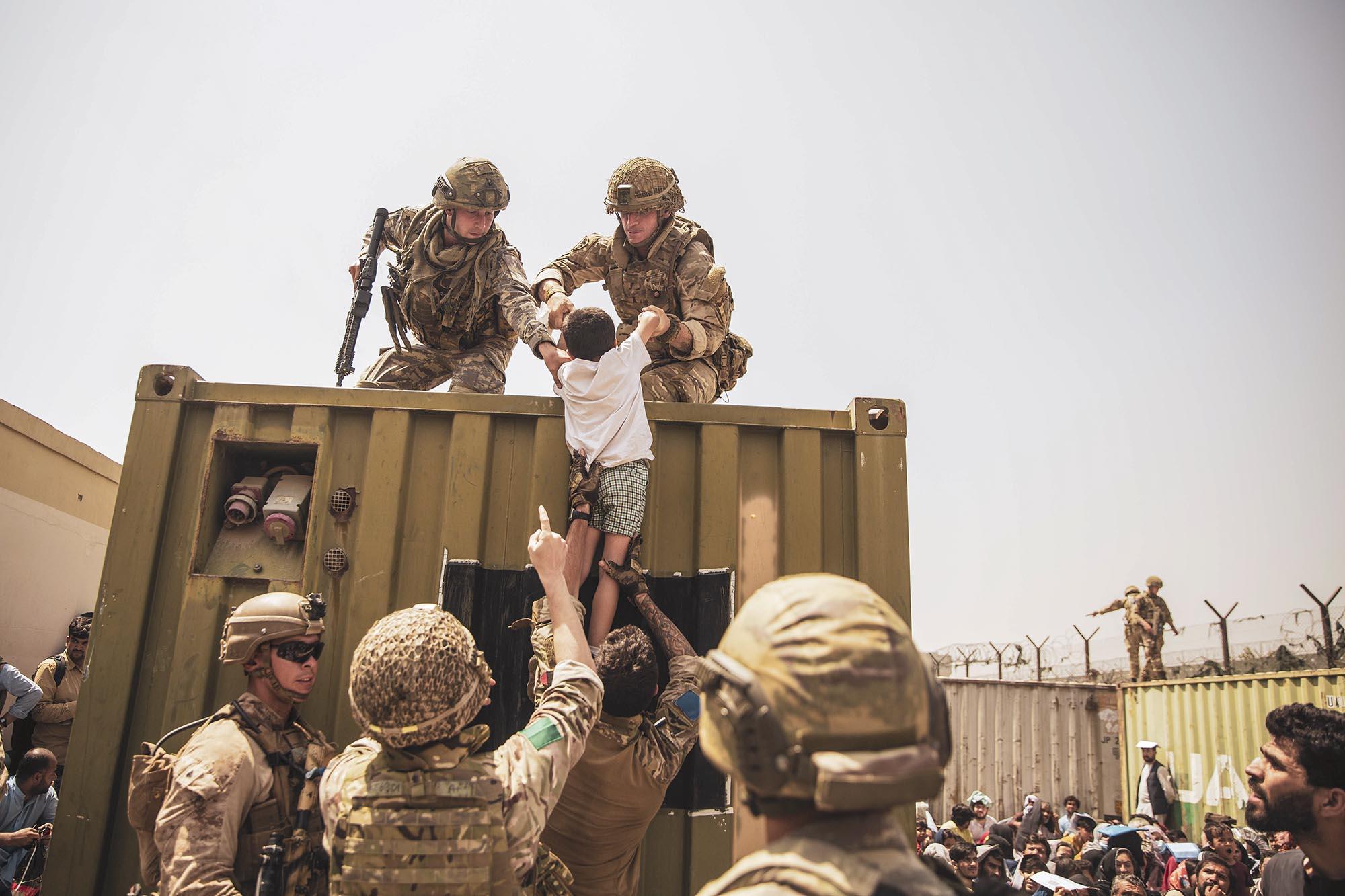
Self-defense—often a topic surrounded by controversy and misunderstanding. The concept branches out far beyond the mere physical act of protecting oneself; it extends into the realms of ideology, policy, and personal belief systems. When we talk about entities, such as nations or communities, the right to self-defense can become a contentious point of discussion, as evident in the contrasting views towards Israel’s stance on self-defense and the equally strong opinions regarding personal defense mechanisms and ideologies.
The right to self-defense is universally recognized, but its application and interpretation can vastly differ across cultural and social landscapes. Let's delve deeper into these perspectives and uncover how self-defense is perceived within different contexts, including the pacifist approaches often (stereotypically) attributed to certain groups.
Israel, as a nation, stands as a prominent example of a country whose self-defense strategies are frequently under scrutiny. Given its geopolitical situation, Israel's defensive measures are often the subject of hot debate, causing polarizing opinions globally. On the one hand, supporters argue that such measures are a necessity, considering the threats the country faces. Conversely, critics point towards the impact these measures have on relations with its neighbors.
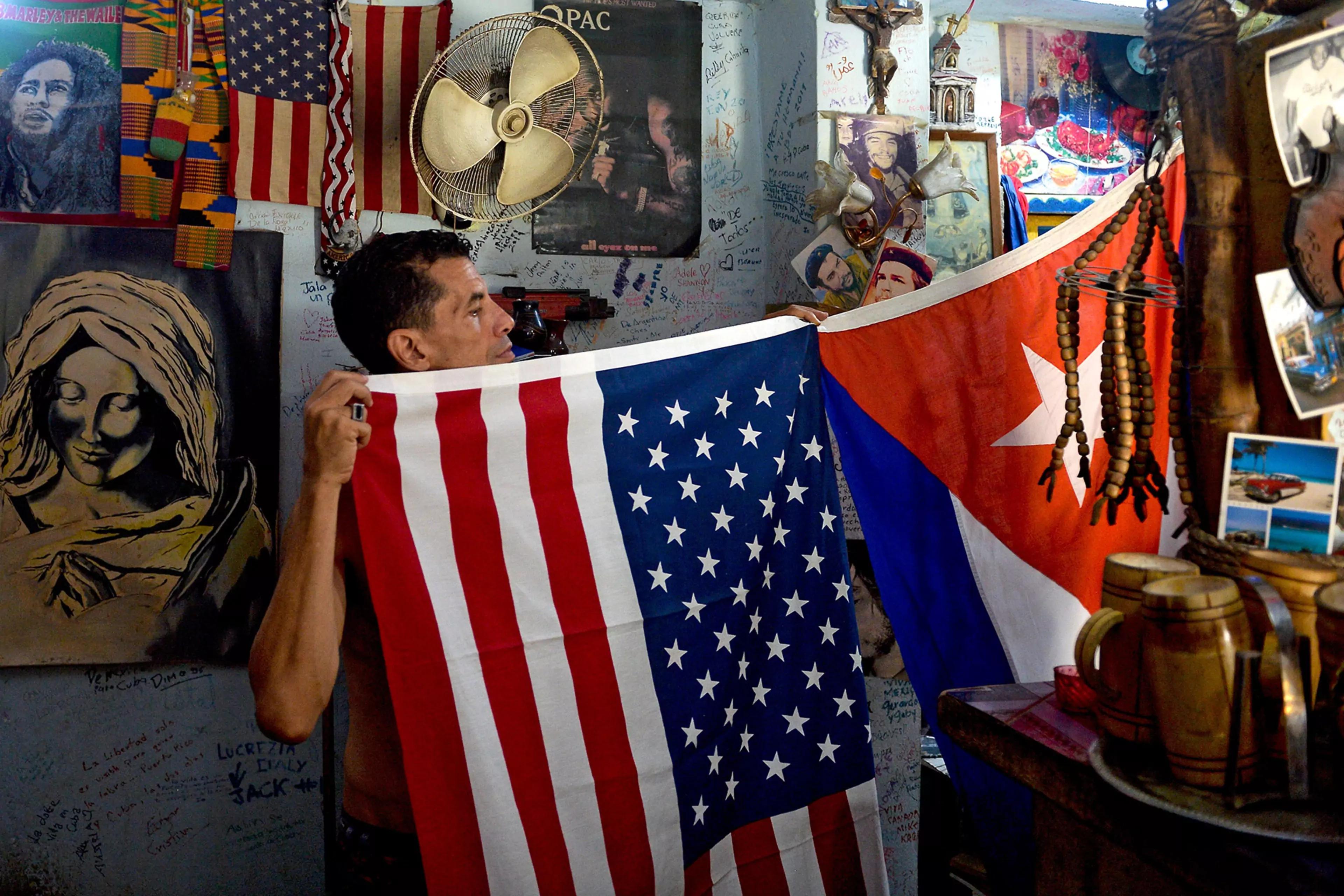
On the more interpersonal scale, there exist communities and ideologues who advocate for peace and non-violence to such an extent that any form of self-defense is considered anathema—these groups are often colloquially referred to as "hippies". A common stereotype is that they completely abjure self-defense; however, this overlooks the nuances in their philosophies that often include notions of self-protection, albeit through non-aggressive means.
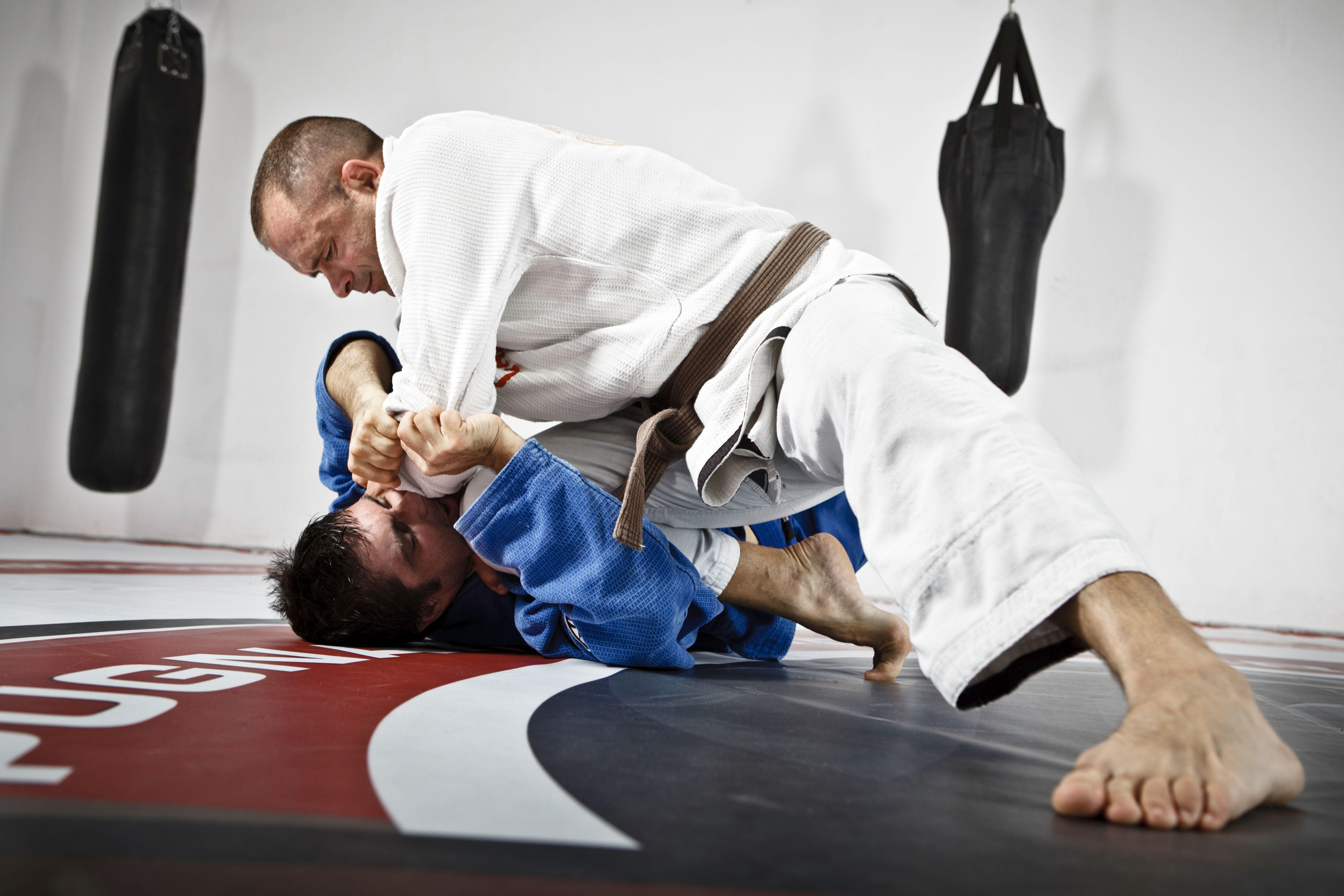
Debates surrounding self-defense are not limited to physical retaliation but can include verbal and legal forms. Personal boundaries, both physical and emotional, and the defense thereof, have risen in acknowledgment in recent years. Discourse now considers the importance of defending one's psychological space just as earnestly as one would protect their physical well-being.
Engaging in travel can often provide a lens through which we understand and evaluate various cultural perceptions including those surrounding self-defense. Those who journey internationally might observe firsthand how different societies perceive the notion of self-defense, and those who seek understanding through exploration find that travel becomes more than just a holiday; it's an educational experience that expands the confines of our understanding.
Through the act of traversing the globe, we come in contact with a kaleidoscope of societal norms and beliefs. Travel challenges our preconceptions, and can open our eyes to the variety of ways in which people assert and defend their autonomy. Whether it's moderating our views on national defense policies, like those of Israel, or shaking off stereotypes attached to pacifist movements, travel can help to foster a more nuanced perspective.
In closing, while the threads that intertwine self-defense with sociocultural perceptions appear complex, travel allows us to untangle and examine them in real-world contexts. It's through this intermingling of experience and observation that we might gather a richer understanding of humanity's diverse tapestry. Seeking this depth of understanding can become the ultimate journey—a journey that not only takes us across physical distances but also bridges the gaps between ideologies and reveals the shared spirit of self-preservation that transcends boundaries.