
In the face of unpredictable threats, the right to self-defense remains a fundamental aspect of personal safety. Recent events underscore the importance of being able to protect oneself in extreme situations. A case in point is a sobering incident that occurred in Cape Girardeau, sparking a nuanced dialogue about the measures individuals take to safeguard their lives and well-being.
The Reality of Self-Defense
Self-defense is an inherent right that extends across societies. In many jurisdictions, the law recognizes the need for individuals to protect themselves when faced with imminent harm. This provision acknowledges that, in critical moments, immediate action may be the only barrier between a person and grave danger.
Life-Threatening Encounters

The incident in Cape Girardeau is a stark reminder of the life-threatening encounters some citizens face in their day-to-day lives. The intended victim, confronted by a would-be attacker in her own home, was compelled to take decisive action to defend herself. It's incidents like these that reinforce the argument for the accessibility of means of protection for those at risk.
Empowerment Through Preparedness
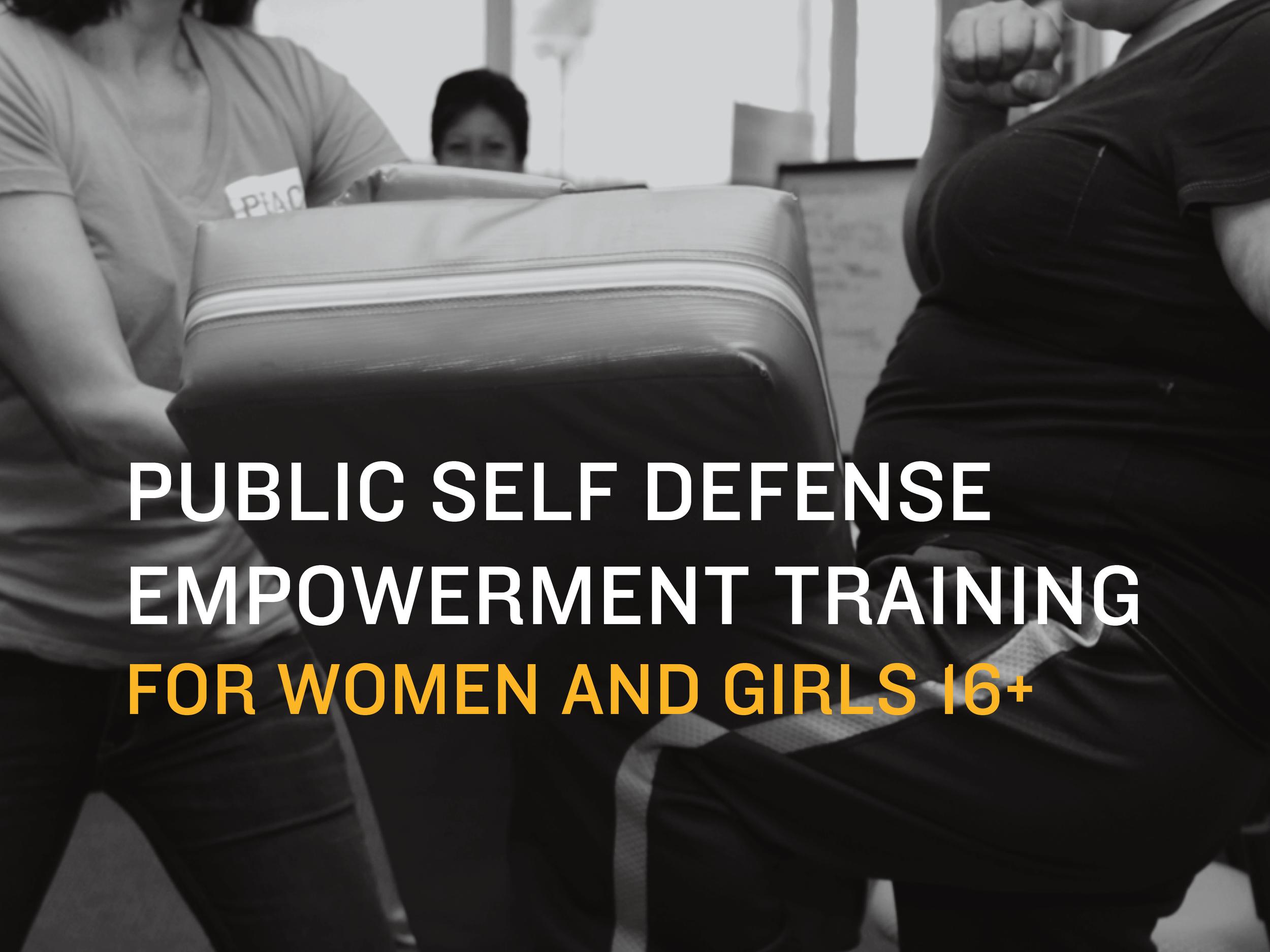
Behind the headline-grabbing incidents, there is an ongoing conversation about empowerment through preparedness. Many advocate for the right to self-defense as a means of providing individuals—especially those in vulnerable populations—with a sense of control over their safety. This includes training in self-defense techniques and understanding the legal rights and responsibilities related to personal defense.
Self-Defense in Policy and Society
Societal and policy measures concerning self-defense are continuously evolving, reflecting changing attitudes and societal needs. While the discussion on regulating the means of self-defense is complex and multi-dimensional, outright prohibition remains unlikely in the near future. Stakeholders across the spectrum argue the balance between protection rights and preventive controls is delicate and must be approached with consideration to the real-world context of self-defense situations.
Protective Measures: A Balanced Approach
The debate on self-defense tools and their regulation is ongoing. Striking a balance between enabling people to protect themselves and ensuring community safety necessitates a nuanced understanding of the issues at hand. It calls for approaches that consider both the data-driven realities of crime and the personal experiences of those who find themselves confronted with life-threatening situations.
Travel and Personal Safety
The concerns surrounding personal safety extend beyond the home. For travelers, the assurance of security in unfamiliar environments is paramount. As individuals explore new destinations, understanding the self-defense laws and cultural attitudes toward personal safety of the regions they visit can inform their preparedness. Travel can be an enriching experience, and staying informed about personal safety measures contributes to a more secure and enjoyable adventure.
In conclusion, the ongoing dialogue about self-defense touches upon fundamental human rights and societal responsibilities. The narratives of those who have had to defend themselves are pivotal to informing this conversation. As we consider the role of self-defense within our communities, it is crucial to remain empathetic, informed, and judicious in how we navigate this complex issue, whether at home or abroad.