The Intersection of Media, Politics, and Social Issues
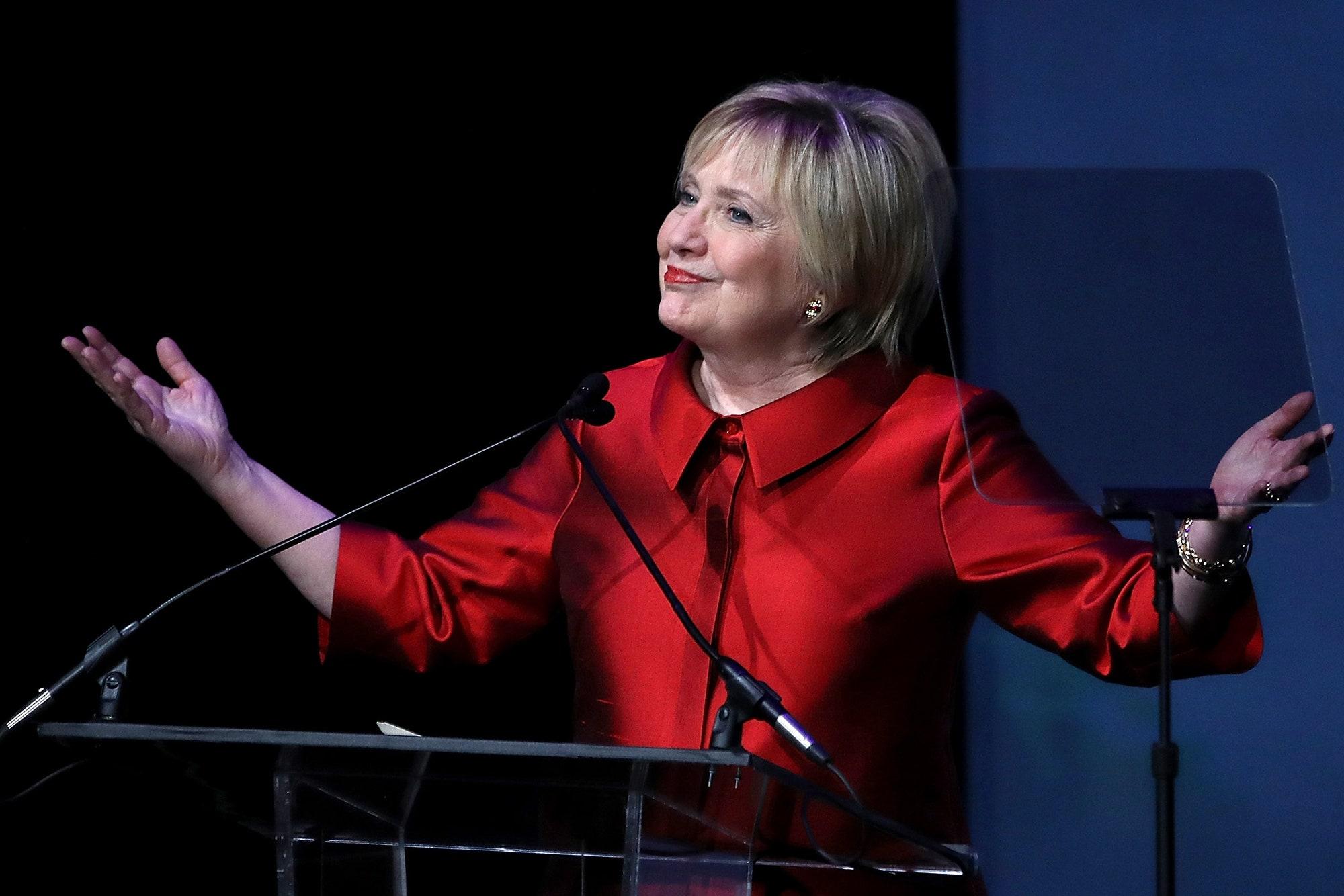
With the proliferation of digital media, the representation of public figures and the handling of sensitive social issues have taken center stage in public discourse. The case of Hillary Clinton and her media portrayal during her bid for the presidency, as well as the various social narratives such as the “I was raped” T-shirt controversy, reveal how media channels have a compelling influence on society's perceptions.
Media Sexism in Political Coverage
Discussions around the media's treatment of female politicians, particularly Hillary Clinton, reveal that sexism may be more deeply rooted in news reporting than one might expect. A video on mainstream media's (MSM) sexism highlights the implicit biases that can surface in media narratives and how these narratives impact women in power. This scrutiny of media practices shines a light on the need for a more gender-balanced approach in political journalism.
Analyzing the Impact Through Video Spoofs
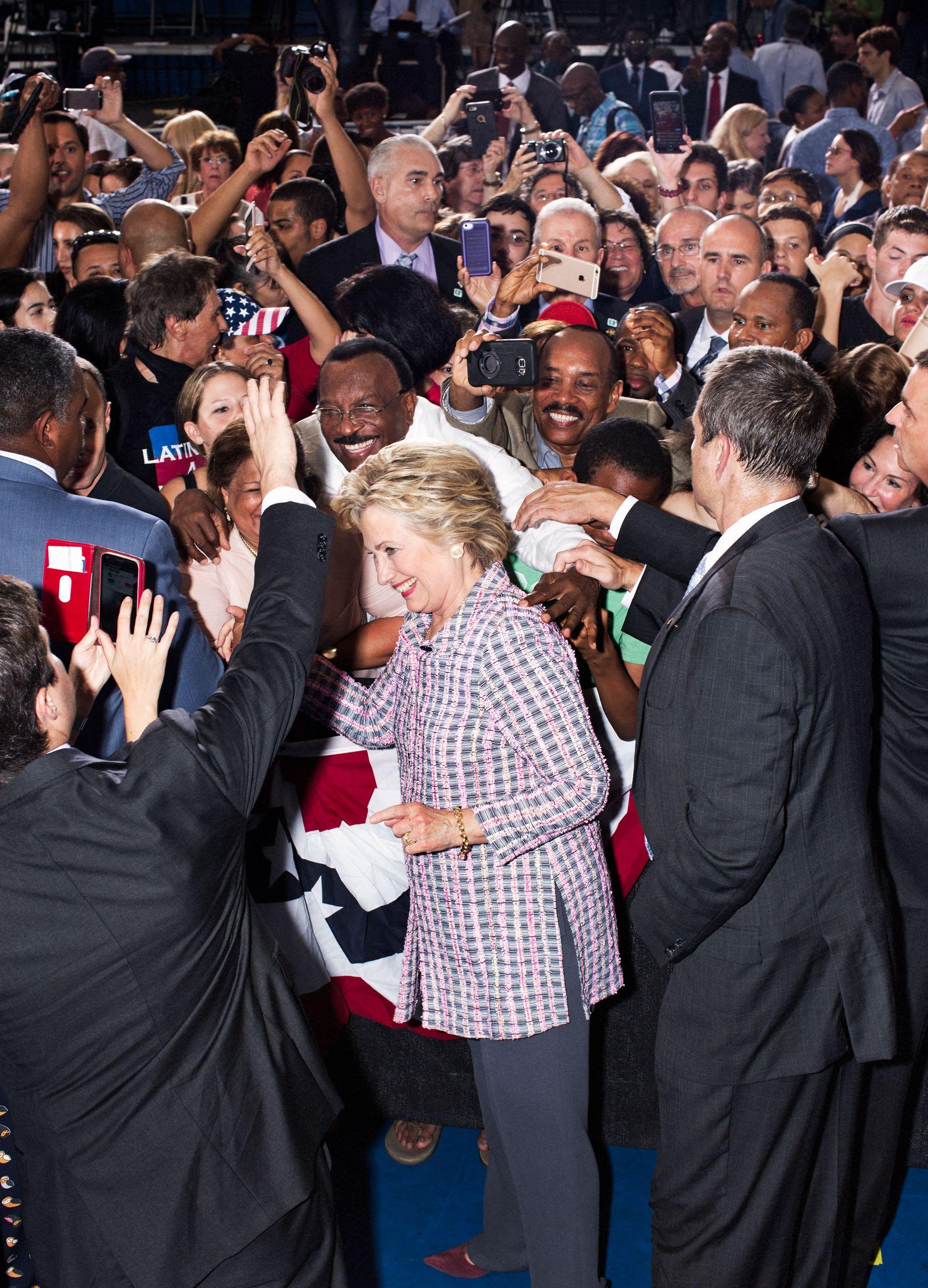
One way public figures have responded to media portrayals is through satire and comedy. Hillary Clinton’s own venture into spoof videos, like the "Sopranos" parody, demonstrates a strategic approach to media engagement. By poking fun at the very narratives that seek to constrain her, Clinton reclaims the narrative, showing a savvy understanding of modern media’s influence.
Controversy and T-Shirts: Discussions of Assault
The “I was raped” T-shirt story covered by major outlets such as The New York Times sheds light on the challenges faced when publicizing personal trauma. The debate extends into the blogosphere, where bloggers like Ann offer their perspectives. This conversation reflects the broader struggle between the need for raising awareness and preserving individual privacy in sensitive matters.
Expressing Views on Abortion Rights

Taking a step from the political stage to personal liberties, conversations about abortion, such as those introduced by Rachel Lucas, further exhibit the myriad of perspectives in the digital sphere. This dialogue is representative of the ongoing debate about reproductive rights and the nuances of individual belief systems.
The Legal Arena: From Death Penalty to Fair Trials
The legal system faces its own scrutiny as it grapples with contentious issues like the death penalty. Jeralyn’s commentary on pending lethal-injection cases brings forth the legal and moral complexities of capital punishment. Moreover, the Baze v. Rees oral argument transcript provides a first-hand look at the judicial process and the elaborate arguments involved in high-stakes court decisions.
Focusing on Specific Legal Cases
Insightful analyses of specific legal cases, such as Ann’s take on the Polizzi and Charlton cases, not only inform the public but also invite discourse on judicial fairness and the evolution of legal precedents. Each case study serves as a microcosm of the challenges faced by the justice system in ensuring fairness and upholding the rule of law.
Travel: A Metaphor for Our Societal Journey
In many ways, the exchange of ideas and the analysis of media portrayals and legal debates mirror the experience of travel. Each of us is on a journey, navigating through a landscape of opinions, narratives, and precedents that define our collective societal path. As we traverse these conversations, we discover new perspectives and contribute to the greater understanding of the human experience much like explorers contribute to our knowledge of the world.