In the digital age, the balance between protecting free speech and curtailing harmful content has become increasingly complex. Platforms like YouTube, which facilitate the spread of a vast array of content, often find themselves at the center of this controversy. The rise of internet censorship by various nation-states highlights the tensions that exist between a global internet audience and national regulatory frameworks.
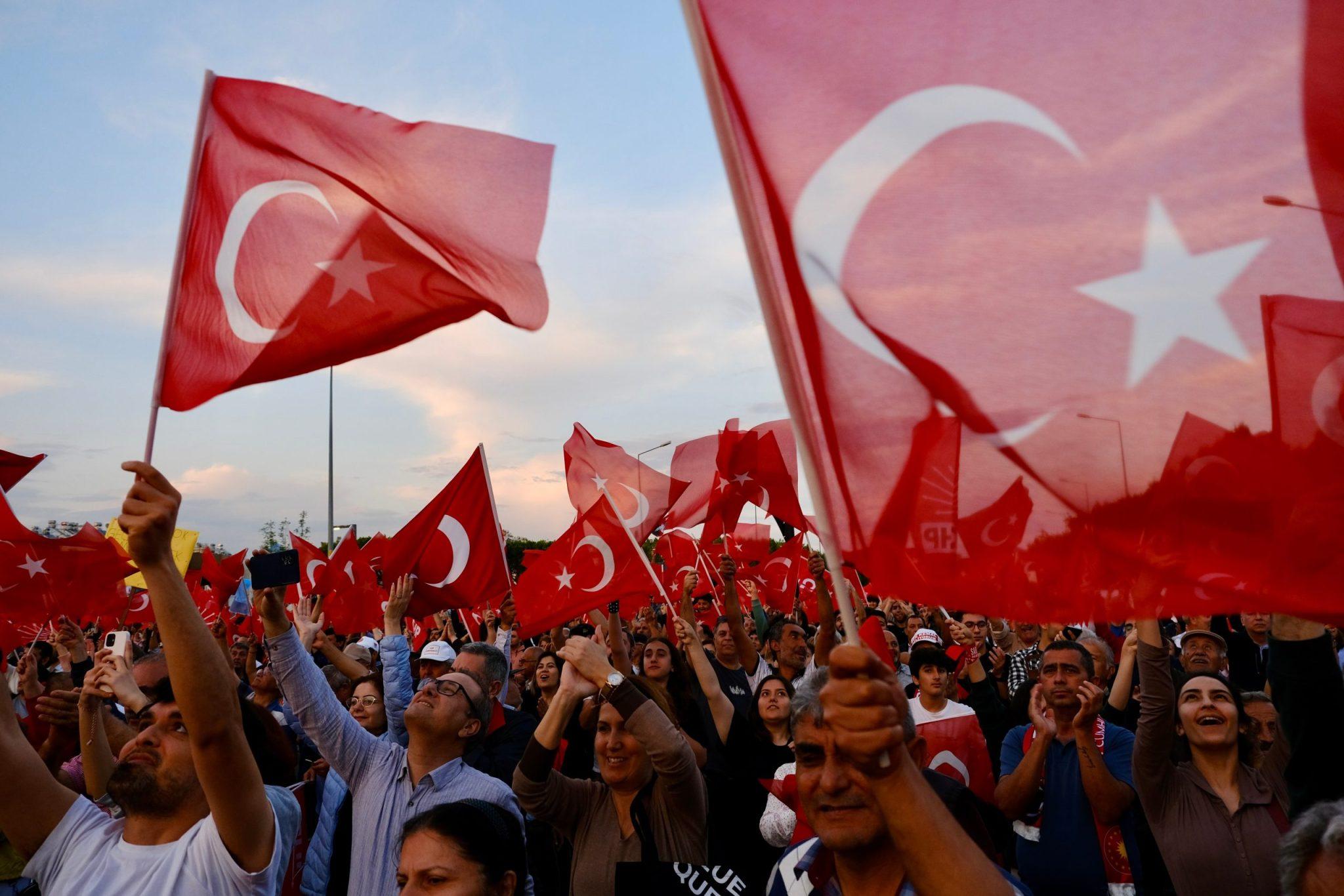
Last March, Turkey's decision to block YouTube made headlines, underscoring the country's tough stance on digital content seen as offensive. The blockage was implemented following the dissemination of content that was perceived as insulting by the authorities. This action by Turkey is part of a more extensive trend where government entities exert their authority over internet platforms to control the narrative and maintain social order.
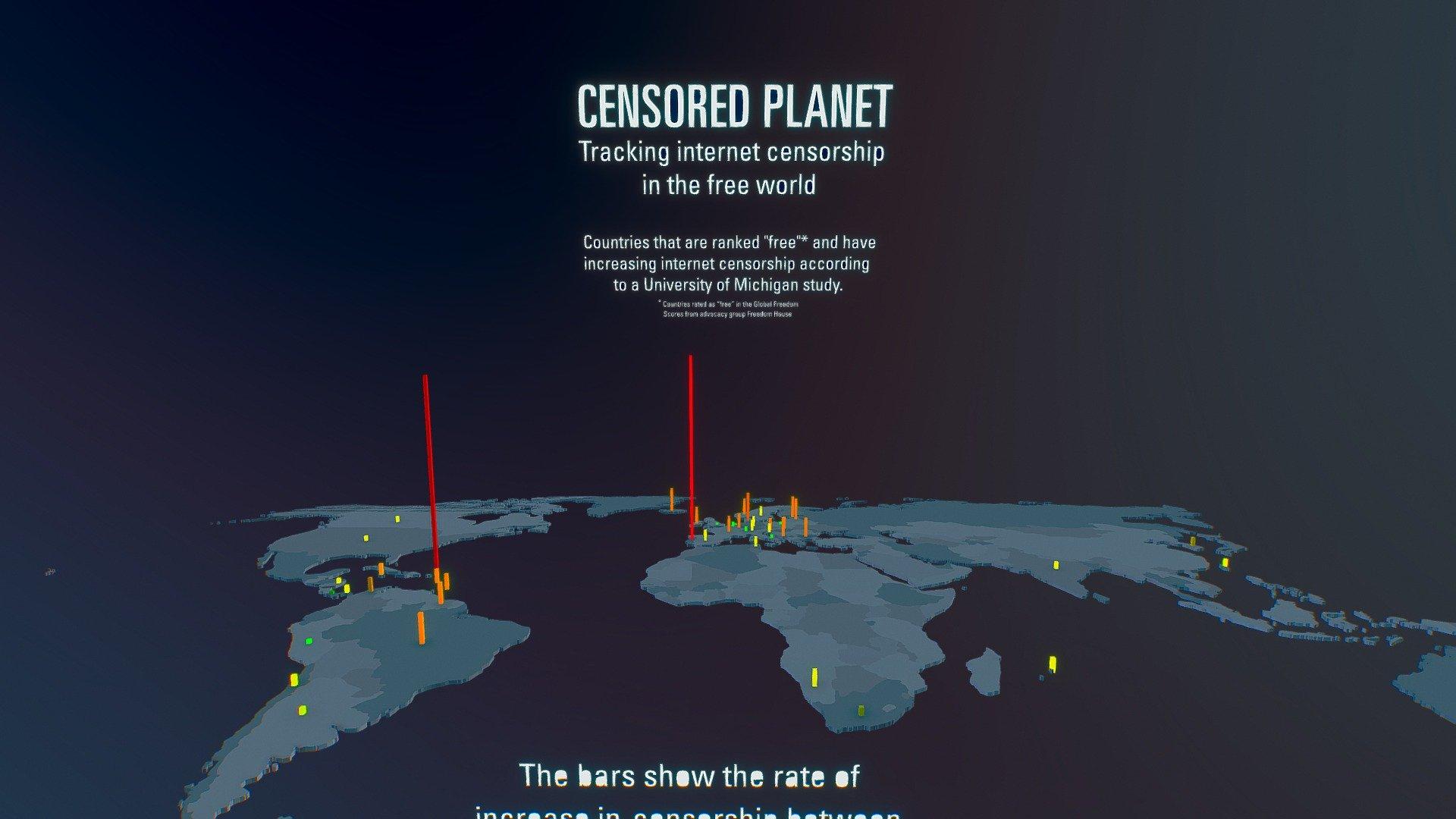
Ironically, while some regimes block access to platforms like YouTube to suppress what they consider inappropriate or offensive material, such factions inadvertently aid internet radical groups. By barring the general public from engaging with a broad spectrum of content, those with extremist views may experience a reprieve as their opponents' voices are stifled, thus reducing the criticism and exposure of their activities.
The governance of the internet remains a contentious global issue. Sovereign nations seek to impose their morality and legal standards on a borderless digital space. This often leads to complex interactions between international platforms and local regulatory bodies, raising critical questions about who ultimately controls the content on the internet and how freedom of expression can be safeguarded while preventing abuse and harm.
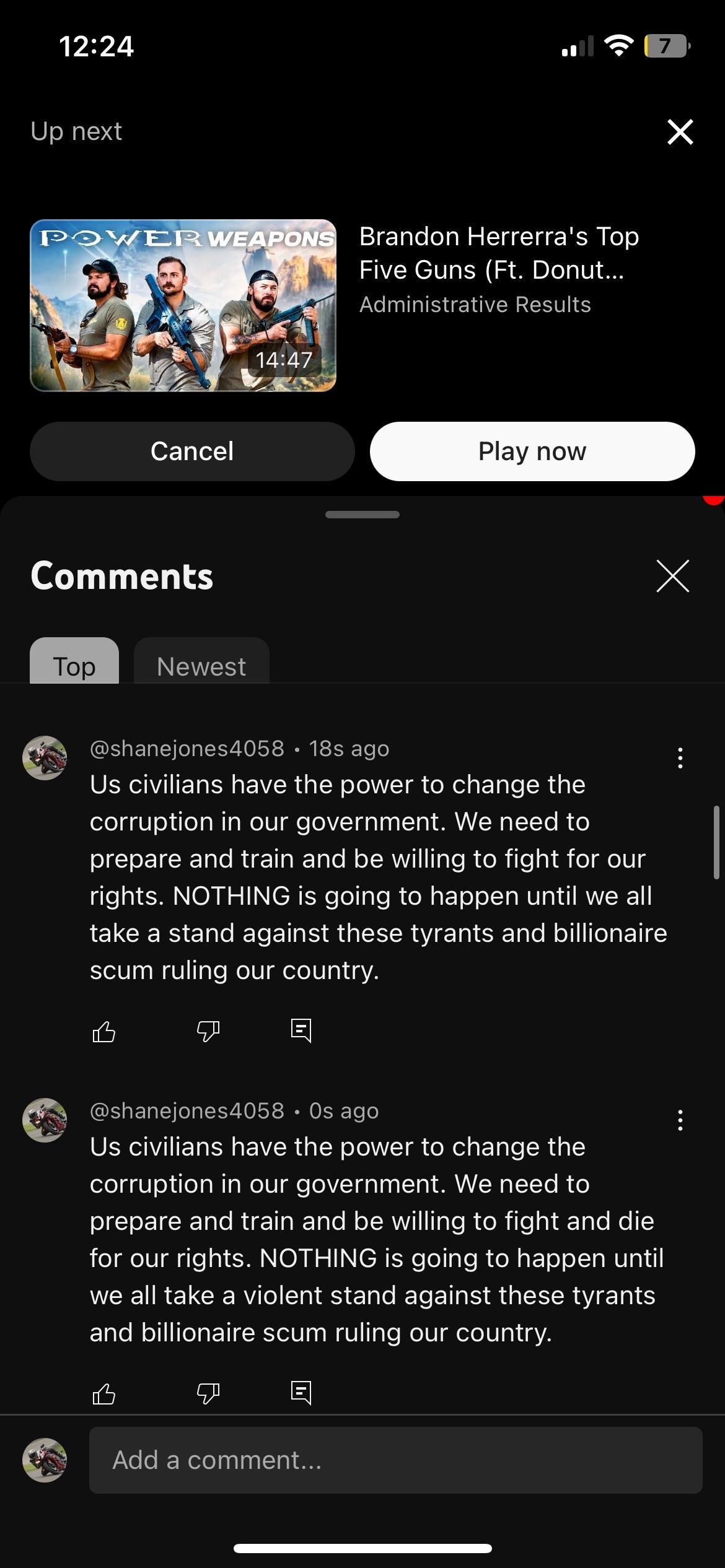
YouTube, being an international platform, must frequently navigate the intricate web of international laws and cultural norms. When local laws clash with the principles of free expression upheld by such platforms, it results in dilemmas that affect not only the platform and its users but also set significant precedents for the future of digital rights and internet freedom.
As nations tilt the balance toward censorship in an attempt to maintain control, the essence of the internet as an open, global system is put to test. The blockage of platforms like YouTube highlights broader issues in international relations and global dialogue, also reflecting on the freedom of not only expressions but also access to information for citizens around the world.
The suppression of content online transcends beyond the digital territory, subtly impacting other aspects of global interaction—such as travel. Travelers seeking to explore new cultures and nations are often faced with the reality of local internet restrictions, which can affect their ability to access information, plan their journeys, and share their experiences. The intersection of travel and digital freedom becomes ever clearer, as a traveler's online liberty becomes a direct reflection of their physical experience in a foreign land, emphasizing the intertwined nature of our digital and physical worlds.