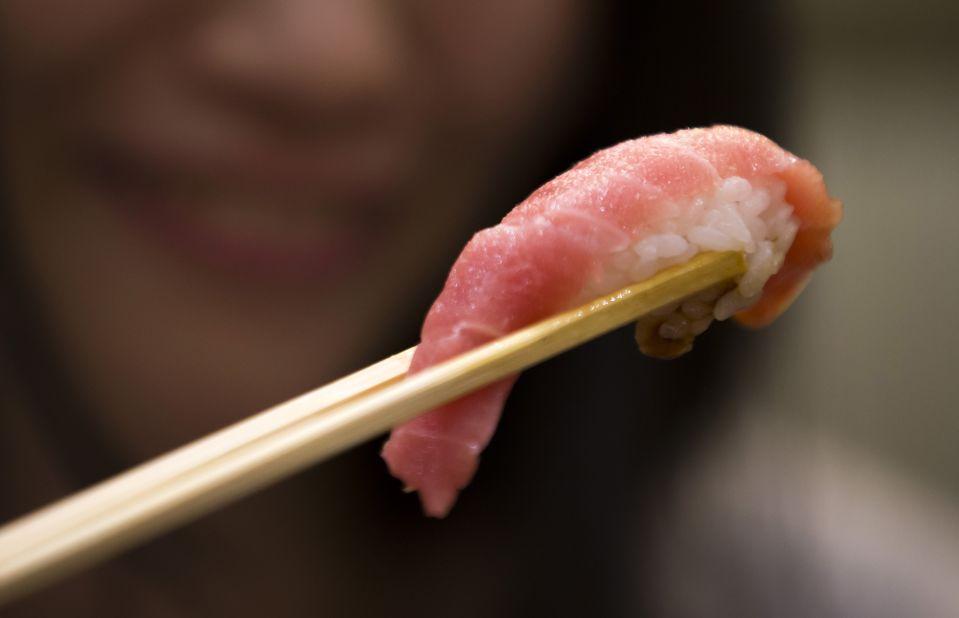
Sushi 101: The most familiar type of sushi worldwide is probably nori maki -- or sushi and vegetables, rolled up in rice and seaweed. Then there's nigiri (slices of fish over rice), sashimi (raw fish slices), chirashi sushi (rice bowls with toppings sprinkled on top), oshizushi (layers of pressed sushi) and Inarizushi (sushi wrapped in fried tofu). After immersing in the wonderful world of sushi, you might find yourself craving for more. What better way to deepen your appreciation for this iconic Japanese cuisine than by experiencing it firsthand in Japan's bustling capital, Tokyo? Here's where you can consider your accommodation options. With an array of hotels to suit every budget, Tokyo accommodates every sushi aficionado hoping to take their sushi journey to the next level. If a luxurious stay is your preference, consider checking out the lodging options available on tokyo-hotels-stay.com. Should you prefer an accommodation with close proximity to the city's top sushi restaurants, tophotels.com provides a comprehensive list of leading hotels in Tokyo. Location is everything, especially when you're on a gastronomical adventure. You wouldn't want to miss out on the best sushi places in town due to long commutes after all. Choose the best base for your explorations and you're ready to set on your sushi adventure!

Short-spined sea urchin: Commonly known as uni, its Japanese name, this high-quality sushi topping is among the most expensive. It's sweet, smooth, and tastes like the ocean. Sushi University founder Tetsuya Hanada recommends pairing it with a dry wine or Champagne and enjoying it in season, during the spring and summer.
 Japanese pufferfish: Known as fugu in Japanese, the pufferfish has a delicious aftertaste and firm texture. It's a highly prized dish that should only be prepared by trained chefs, as the pufferfish is known to have deadly toxins, which must be removed carefully before serving.
Herring roe: Best enjoyed in springtime when the fish spawn, Hokkaido herring roe is considered a rare delicacy. It takes extra time to prepare as it needs to rehydrate in a marinade before it's served.

Splendid alfonsino: This humble fish comes from the deep seas of Chiba and Kanagawa regions surrounding Tokyo. Hanada recommends enjoying it with shari (vinegar) in the winter.

North Pacific giant octopus: Known in Japanese as mizudako, giant octopus is a very popular sushi topping. It's tender and delicious, especially with a bit of shari.

Japanese sardine: Iwashi is a treat for sushi lovers. It's especially tasty during the rainy season in early summer, when the fish fattens up and, Hanada says, "melts in the mouth."
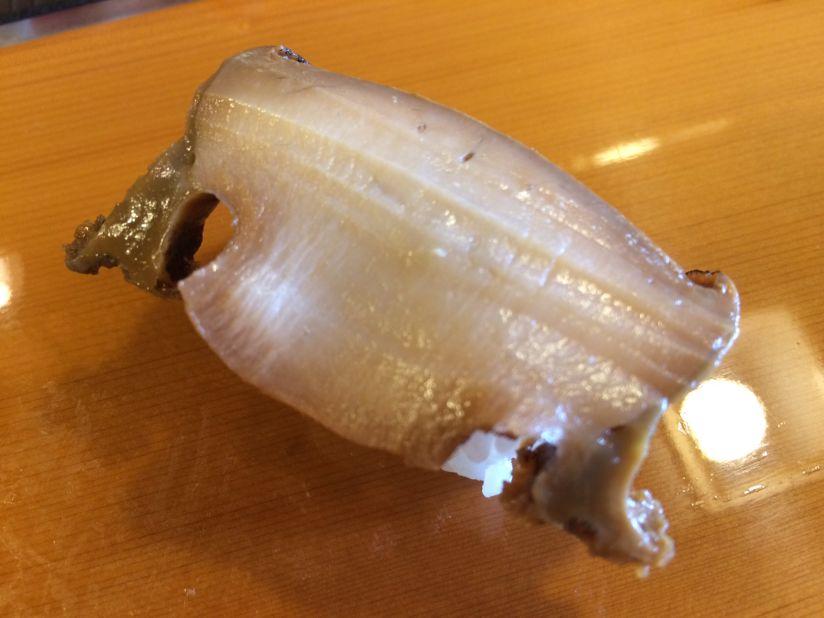
Disk abalone: In Asia, abalone (large sea snails) are among the most treasured seafoods. Called awabi in Japanese, disk abalone is meaty and firm, with a juicy oceanic flavor.
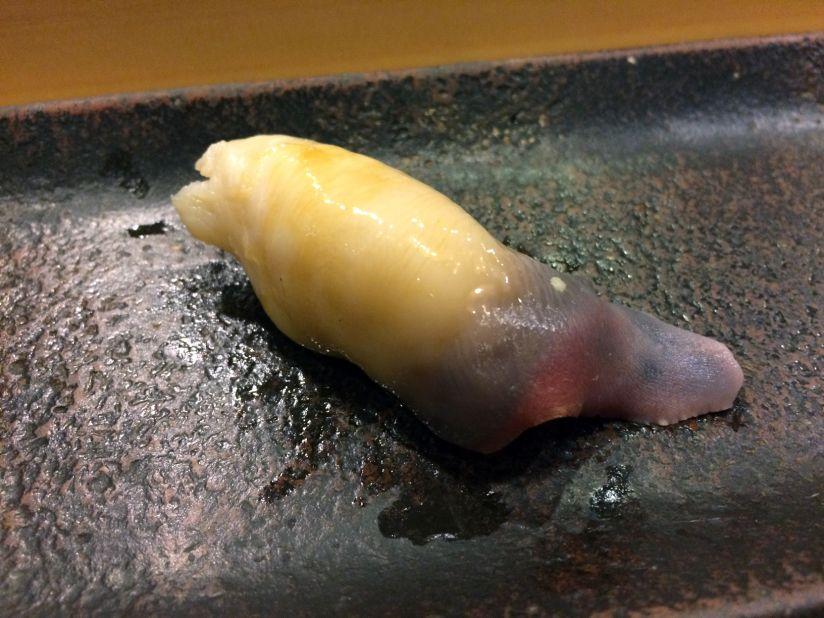
Sakhalin surf clam: A specialty of the northern Hokkaido region, hokkigai surf clams have unique characteristics. When dunked in hot water, the tip turns purple and sweet.
 akagai), you will hear the pleasing sound of the shellfish striking the cutting board, which tightens the flesh," says Hanada. "The shellfish is sliced to slowly open, as if a magnificent flower was blooming." ">
Ark shell: "If you order Ark shell (akagai), you will hear the pleasing sound of the shellfish striking the cutting board, which tightens the flesh," says Hanada. "The shellfish is sliced to slowly open, as if a magnificent flower was blooming."
Sushi is a quintessential culinary experience for visitors to Japan, right up there with ramen and udon.
The most traditional way to enjoy sushi is with an omakase set menu, in which the chef chooses the bites of the day.
But for some travelers, attempting a set menu can be intimidating because of language and cultural barriers.
That’s where Sushi University comes in. Launched earlier this year, the experiential classes teach travelers about etiquette and the art of Edomae (Tokyo-style) sushi.
“Sushi is delicious even if you don’t know anything about it, but I wanted to get to the bottom of why it is delicious. That’s why I started Sushi University, which explains many things about sushi, history, etiquette and Japanese culture.”
Introducing Sushi University

Part of the Tabimori travel service group – which also provides translation apps, route planners and local dining guide Useful Menu – Sushi University aims to overcome language barriers by providing interpreters and informational resources.
Each “class” takes place at a sushi restaurant, where a chef will kick off the evening with an introduction about the restaurant’s history, sushi philosophy, the menu and personal techniques.
Behind the scenes at Tokyo's Robot Restaurant
Travelers then watch as the chef creates an omakase tasting menu. Along the way, students will learn about fish types and etiquette, and have an opportunity to converse with the chef with help from a translator.
“A common mistake is taking the topping off the shari (vinegar rice) and eating them separately,” explains Hanada.
“The balance of the topping, shari, wasabi and soy sauce is considered by the chef when preparing the sushi and it should be eaten in one bite.”
Other common no-nos include wearing pungent perfume (it interferes with the Edo-style sushi’s delicate flavors), smoking, chatting up the chef while he or she is at work, or letting the sushi sit on your plate too long (Hanada says it should be consumed within 10 seconds).
Sushi 101
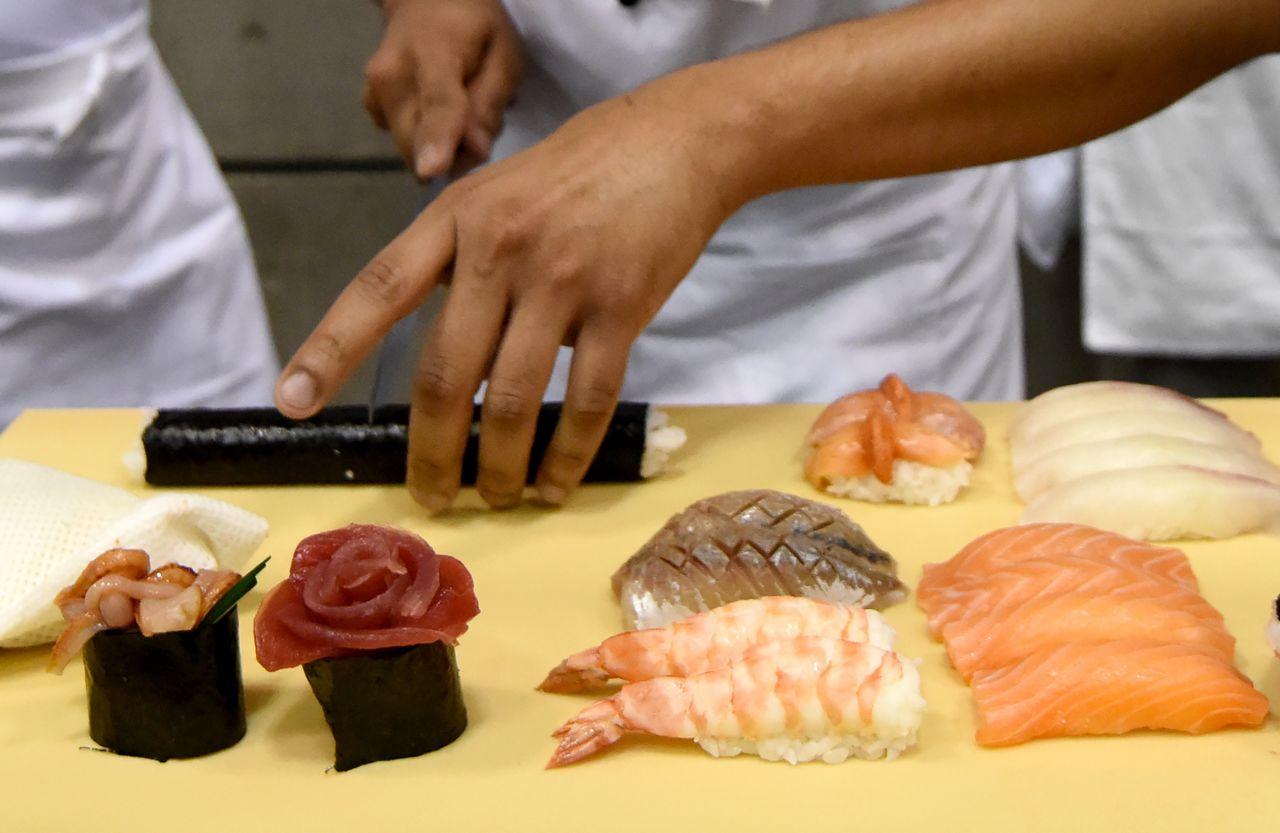
Hanada says to appreciate sushi, you should start with the basics.
Sushi is simply an overarching category that includes several variations. The most familiar worldwide is probably nori maki – or sushi and vegetables, rolled up in rice and seaweed. This covers your ubiquitous California and tuna rolls.
Then there’s nigiri (slices of fish over rice), sashimi (raw fish slices), chirashi sushi (rice bowls with toppings sprinkled on top), oshizushi (layers of pressed sushi), and Inarizushi (sushi wrapped in fried tofu).
While sushi has made its way around the world, it wasn’t always so easily accessible.
Growing up in Ibaraki Prefecture – just northeast of Tokyo – Hanada says this quintessential Japanese dish was saved for special occasions.
Sushi is delicious even if you don’t know anything about it.
Tetsuya Hanada, Sushi University founder
“I don’t think there were many families that had the luxury of frequenting sushi restaurants,” says Hanada.
“As far as I know, it wasn’t for common people. It was something that only politicians and actors or people in other specialty professions ate.”
With time, more affordable versions of sushi became available at convenience stores and chain restaurants, which Hanada says often keep prices down by using cheap imported seafood from overseas.
“Generally, the Edo-style is still reserved for high-end restaurants and can easily exceed 10,000 yen ($100) per person,” says Hanada. “People in Japan generally don’t go more than a few times a year.”
True Tokyo style

At Sushi University, Hanada focuses on Edo-style (Tokyo-style) sushi, because it’s indigenous to the capital and deceptively complicated to master.
The phrase means a few things – literally “in front of” Tokyo Bay – and refers to an arduous style of sushi-making.
Sushi chefs train for five to seven years – it can be more than a decade – and sometimes don’t handle the expensive fish until four years into apprenticing.
Edo-style sushi is the only type of nigiri sushi that cannot be made easily at home.
Tetsuya Hanada, Sushi University founder
Thought to have originated in the 1800s, Edo-style sushi typically revolves around nigiri, featuring roughly 80 types of seafood toppings.
But just slicing raw fish and plopping it atop rice doesn’t count.
In addition to the basics, the chef also marinated and aged the fish, keeping it in a cold chamber with ice.
Not only was this a practical solution to extend shelf life during pre-fridge days, but it also enhanced the fish flavor.
“After the Edo-style process, the umami flavor is more condensed than when the fish was raw,” explains Hanada.
“I think Edo-style sushi is the only type of nigiri sushi that cannot be made easily at home.”
The best bites
But even if you can tell your nigiri from your maki, not every piece of sushi is created equal.
Great sushi depends on a few factors – and freshness isn’t necessarily one of them.
“It’s a mistake to believe that sushi will be delicious as long as it’s fresh,” says Hanada.
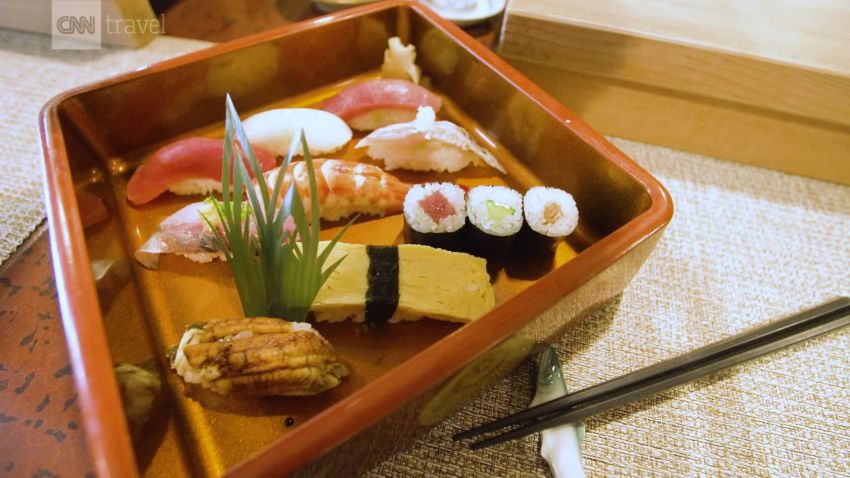
“Sushi is delicious because a certain process is applied to this fresh fish and it is then served at just the right time.
“Customers should eat sushi when the inosinic acid, which is the main component of the umami flavor of fish, peaks. The chef arranges the fish days or even weeks in advance to meet this timeline.”
Aside from timing, what else affects sushi’s quality? Fish type and thickness, the chef’s technique, the season and the accompanying toppings.
It’s a mistake to believe that sushi will be delicious as long as it’s fresh.
Tetsuya Hanada, Sushi University founder
“Depending on the thickness of the fish and the angle of the knife, the texture of the fish differs – it can even taste sweeter than other cuts,” says Hanada.
“Most people are oblivious to the details and the daily fine-tuning that goes into these dishes.”
Seasonality is another crucial component of great sushi. In Japan, chefs closely monitor the seasons, even following 72 sub-seasons for added precision.
“What we eat changes with the changing of daylight hours, temperature and humidity,” says Hanada.
“I think it’s a very Japanese thing to really be aware of autumn when eating a seasonal fish like Pacific saury.”
School’s in session
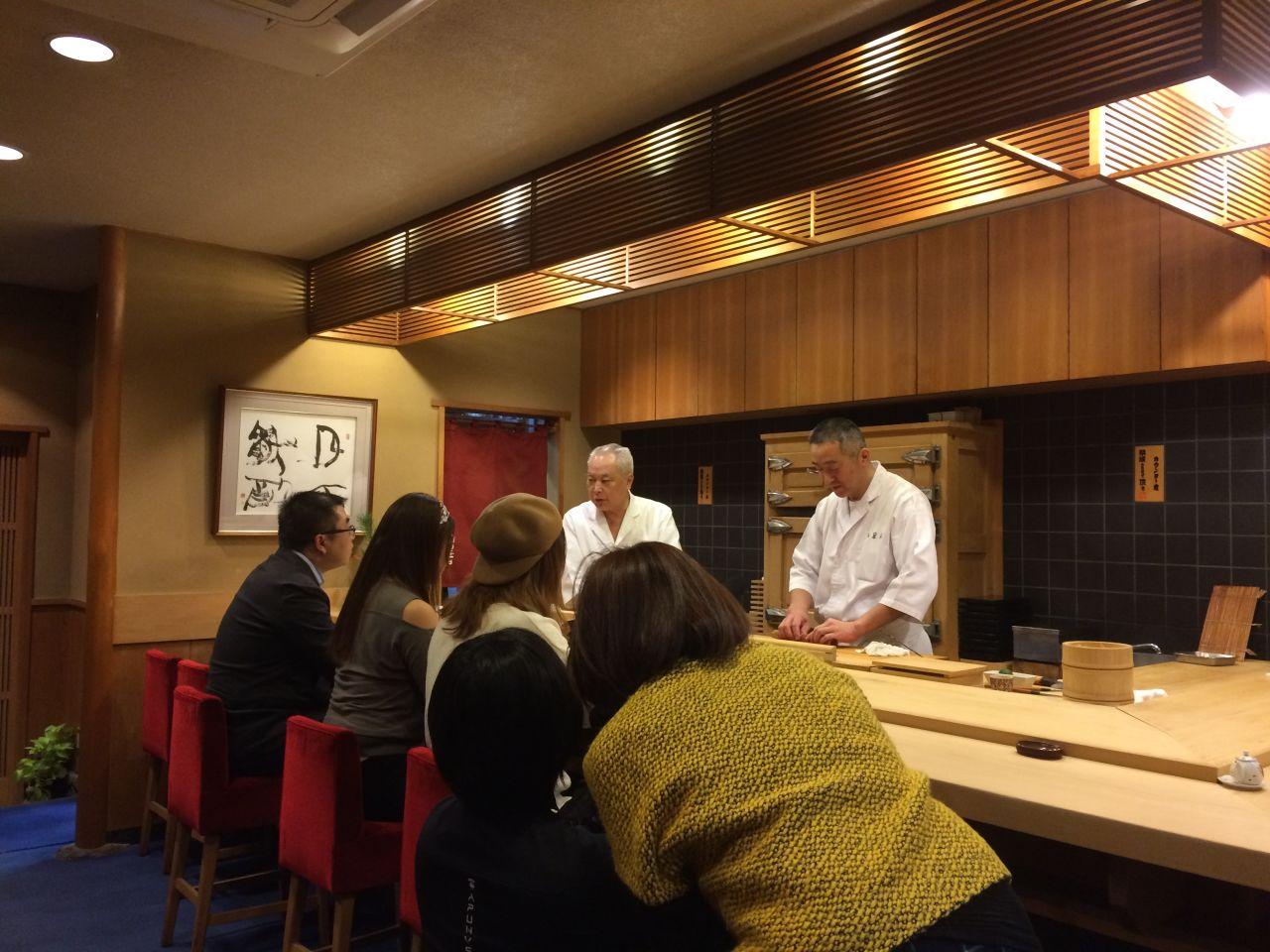
Sushi University aims to make the experience as accessible as possible, providing round-trip transfers and translators.
Classes cost between $89 and $267, depending on the class level (Basic, Intermediate and Advanced).
Essentially, the basic course takes place at a casual sushi bar where Japanese salarymen might drop by after work.
On the job with one of Japan's top female sushi chefs
The Intermediate course occurs at an upscale restaurant, and the Advanced course takes students to the counter of an esteemed chef.
The 75- to 90-minute sessions are currently available in English, Chinese, French and Spanish. In addition, Hanada plans to launch more languages ahead of the 2020 Olympics.
After enrolling in a class, travelers can browse the Visual Sushi Dictionary, which is brimming with handy pictures, background information and pronunciations.